The lazy version of ego bait is to publish a “Top 50 Influencers” list, tag everyone on social, and wait for links to roll in. What you usually get instead is a flurry of retweets, a spike of referral traffic that dies in 48 hours, and almost no links. That gap — between the share people happily give and the link they rarely do — is the whole game, and it’s the part most guides skip entirely. The tactic works, but only when you understand that flattering someone triggers a share reflex, while earning a link requires that the person actually control a page worth linking from and have a reason to point it at you.
What Ego Bait Actually Is
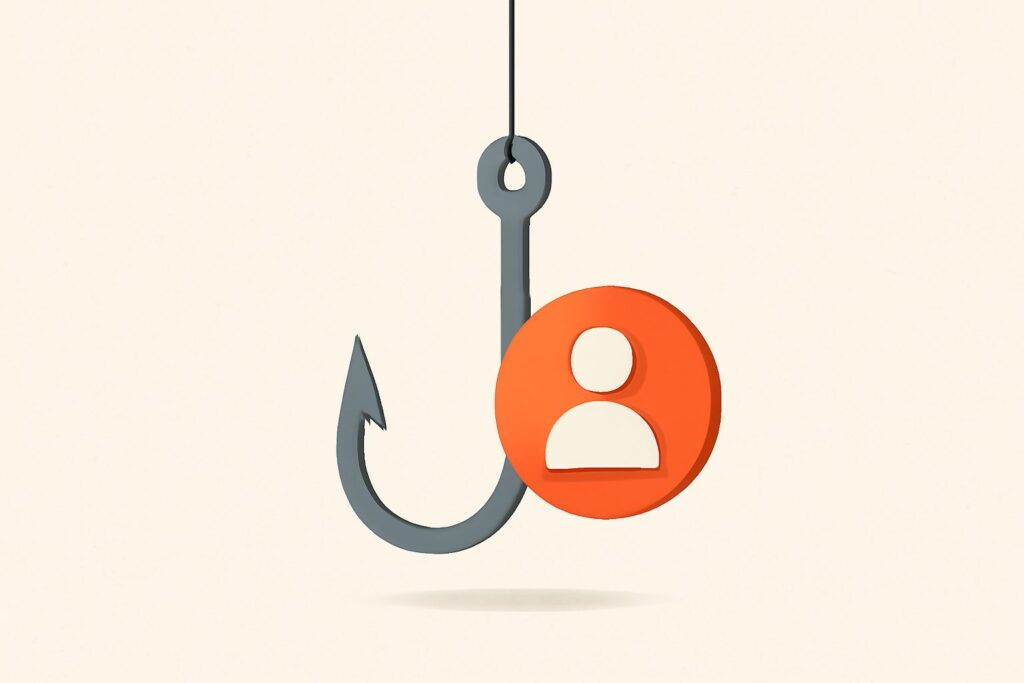
Ego bait is content built primarily to make specific people or brands look good, on the bet that they’ll amplify it to their own audience and, ideally, link to it. It’s a species of flattery link building: you spend the effort of featuring, quoting, ranking, or awarding someone, and you hope the reciprocity instinct does the rest. The classic formats are expert roundups, “best of” and influencer lists, awards and badges, interviews, and data features that name real practitioners. None of that is new — the tactic predates Google — but the version that still earns links in 2026 looks very different from the tag-everyone spam that flooded blogs a decade ago.
Why It Works: Reciprocity and Self-Presentation
Two well-documented human tendencies do the heavy lifting. The first is reciprocity: when you give someone something of value — public recognition, a flattering ranking, a platform — they feel a mild pull to give something back. The second is self-presentation: people share things that make them look good to their own audience. A designer who lands on your “20 designers to watch” list gains social proof they can point their clients and peers to. You’re not really asking for a favor; you’re handing them an asset they want to distribute. That’s why good ego bait doesn’t feel like outreach spam — the featured person is genuinely served by it.
The Share-vs-Link Gap Nobody Warns You About
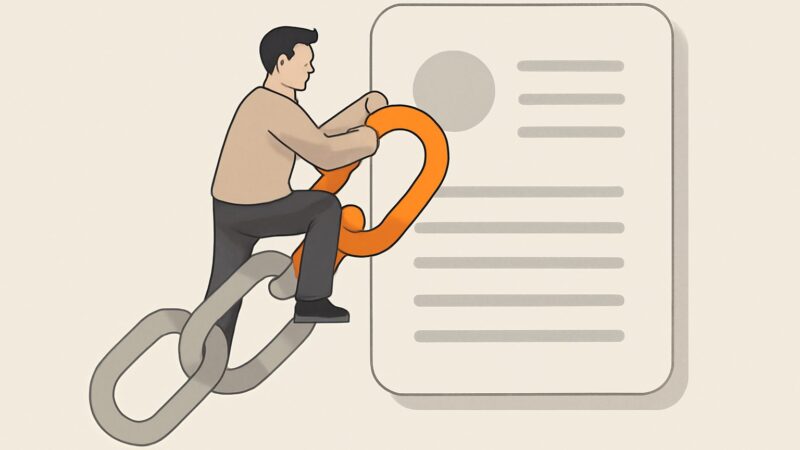
Here is the mechanism that ruins most campaigns. Being featured triggers an immediate, low-effort response — a like, a repost, a “thanks for including me!” comment. Getting a link requires a separate, higher-effort action: the person has to open their CMS, find a relevant page, and add an editorial mention. Most people never take that second step unless you make it almost frictionless or unless linking to you is obviously in their interest.
So the design question isn’t “how do I flatter more people?” It’s “how do I structure this so a share naturally converts into a link?” That reframe changes who you feature and what you build. You stop chasing celebrity names with a million followers and no personal site, and you start featuring people who run a blog, maintain an “as featured in” page, or publish a resources list — people with a linkable surface and a habit of updating it.
Formats That Convert Shares Into Links
Some ego-bait formats earn links reliably; others only earn applause. The difference is whether the format gives the featured person a durable reason to link, not just a moment of flattery.
- Expert roundups — you ask 15–40 practitioners one sharp question and publish their answers. Expert roundup links work because contributors want to show their peers they were asked; many will link from a blog post or a media page. The catch: roundups only convert when the contributors are people who publish, not passive social accounts.
- Awards and badges — a “Best [Niche] Tools of 2026” award with an embeddable badge gives winners a graphic they’ll proudly display, and the badge carries a link back. This is one of the highest link-conversion formats because the badge is the link.
- “Top X people” lists — genuine, defensible rankings of practitioners in a niche. Featured names often add an “as seen in” mention to their own site.
- Interviews and case studies — a full interview gives the subject a substantial piece they’ll link to from their bio, portfolio, or press page.
- Data features that name people — original research that credits specific practitioners or brands gives them a citable, link-worthy reason to reference you.
Who to Feature (This Is 80% of the Result)
The single biggest lever in ego-bait content is selection. Feature people who can and do link. In practice that means three qualifying traits: they own a website or blog (not just a social profile), they’ve linked out to others before (so the behavior is normal for them), and they’re relevant to your topic (so a link between your sites makes editorial sense). A hundred irrelevant celebrities will earn you zero durable links; twenty mid-tier practitioners who each keep a “recommended reading” page can earn you a real, relevant set.
This is where competitor backlink analysis pays off directly. If you pull the referring domains that already link to your rivals, you get a ready-made shortlist of people in your niche who demonstrably hand out links. Those are your ego-bait targets. SEO Rocket’s competitor and link-gap analysis surfaces exactly that list — who links to your competitors but not to you — so you’re featuring people with a proven linking habit rather than guessing at names. The tool finds and prioritizes the targets; the relationship work is still yours.
The Outreach That Actually Closes a Link
Publishing the piece is step one; the link usually needs a nudge. Good ego-bait outreach is short, specific, and gives the person the asset plus an easy way to use it. A workable structure:
- Personal, verifiable opener — reference the specific thing you featured, so it’s obvious this isn’t a mass blast.
- The asset, delivered — link them straight to the section they’re in, or attach their badge. Don’t make them hunt.
- A low-friction next step — “Feel free to share it” for the amplification, and, where it fits naturally, “if you keep a press or resources page, here’s the link.” Ask once; never demand.
Notice what this template does not do: it doesn’t promise a link exchange, and it doesn’t beg. Reciprocity works best when it’s genuine — you gave first, the ask is soft, and the featured person keeps full control. The moment it becomes “I’ll link to you if you link to me,” you’ve drifted from flattery link building into a reciprocal-link arrangement, which at scale is a link scheme Google’s guidelines specifically call out.
Be Honest: It’s a Numbers Game With No Guarantees
No ego-bait campaign guarantees links, and anyone who promises a fixed link count is selling you something. Outreach reply rates are typically low — a minority of the people you contact will respond, and only a fraction of those will link. That’s normal. The way you win is volume times relevance: feature enough qualified people that even a modest conversion rate yields a meaningful set of links. Budget for the effort accordingly, and judge the campaign on the durable links earned over weeks, not on the social buzz of launch day.
Where Ego Bait Crosses Into Link Schemes
The tactic stays firmly white-hat as long as the featured content is genuinely useful and the links are editorially given. It degrades into risky territory in a few specific ways. Manufacturing hundreds of thin “top influencer” pages purely to solicit links is scaled, low-value content that Google’s helpful-content systems demote. Setting up explicit reciprocal linking — you feature me, I feature you, repeat across a network — is an excessive link exchange, a named link scheme. Paying featured “experts” for placement crosses into paid links that need to be marked sponsored or nofollow. The safe line is simple: the feature must be real, the ranking defensible, and the link freely given. If the only reason the content exists is to extract a link, you’re on the wrong side of it, and the modern outcome is usually silent devaluation — the links pass no value and the spend evaporates with no crater to point at.
How to Measure Whether It Worked
Vanity metrics will lie to you here. Retweets and launch-day traffic feel like success and predict nothing. Track the things that compound instead: new referring domains earned from the campaign, whether those domains are relevant and reasonably authoritative, and whether the pages you were linked from are indexed and real. Then watch the downstream signal — movement on the target keywords the featured content and its links were meant to support. A backlink audit tells you which of the earned links stuck and which were nofollowed or dropped; rank tracking tells you whether any of it moved the needle. SEO Rocket runs both — backlink and referring-domain analysis plus rank tracking on a client dashboard for around $50/month with a free tier — so you can tie an ego-bait push to actual links and actual position changes rather than to applause.
A Simple Ego-Bait Playbook
Put it together into a repeatable sequence, the kind of process behind a playbook proven across 1,000,000+ ranking pages:
- Pick a format that converts — a badge-backed award or an expert roundup, not a tag-everyone list.
- Build the target list from real linkers — practitioners with owned sites who already link out, ideally sourced from competitors’ referring domains.
- Make the feature genuinely flattering and genuinely useful — a defensible ranking or a real question answered well.
- Deliver the asset, then ask once, softly.
- Measure referring domains and rankings, not shares, and feed what worked into the next round.
Done this way, ego bait stops being a spammy shortcut and becomes what it should be: a durable, relationship-driven way to earn relevant links by making other people look good — which is one of the few link tactics that gets easier the longer you do it, because each round leaves you with contacts who already know you.
Frequently Asked Questions
Does ego bait still work in 2026?
Yes, but only the editorial version. Genuinely useful features — real awards, honest rankings, substantive roundups and interviews — still earn relevant, freely given links because they serve the featured person. What no longer works is mass-producing thin “top influencer” pages to solicit links; those get demoted as low-value content and the links tend to be neutralized.
What’s the difference between ego bait and an expert roundup?
An expert roundup is one specific ego-bait format — you feature many practitioners by publishing their answers to a question. Ego bait is the broader category, which also includes awards, badges, “best of” lists, interviews, and data features that name real people. All of them share the same mechanism: flatter someone with something they’ll want to share.
How many links can I expect from an ego-bait campaign?
There’s no guaranteed number, and reply rates for outreach are usually low. Results depend on how many qualified, link-capable people you feature and how relevant your site is to them. Treat it as a numbers game: feature enough of the right people, ask well, and a modest conversion rate still yields a meaningful set of durable links.