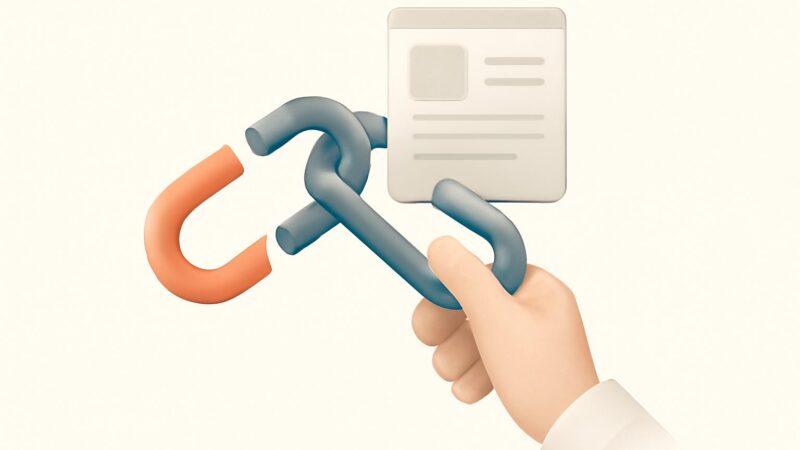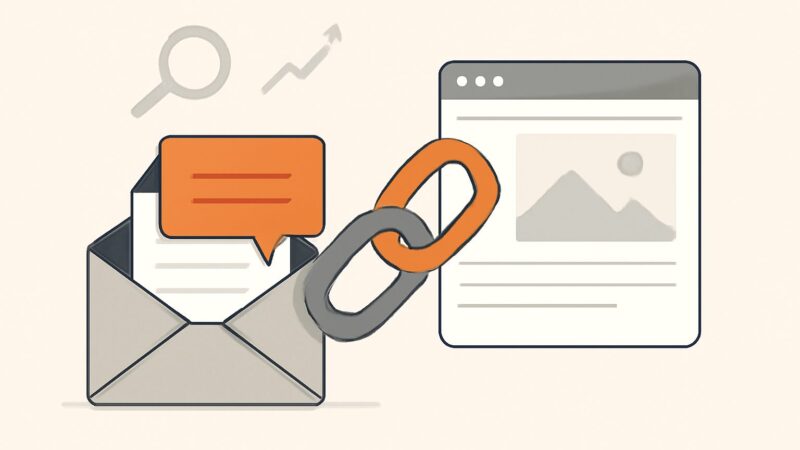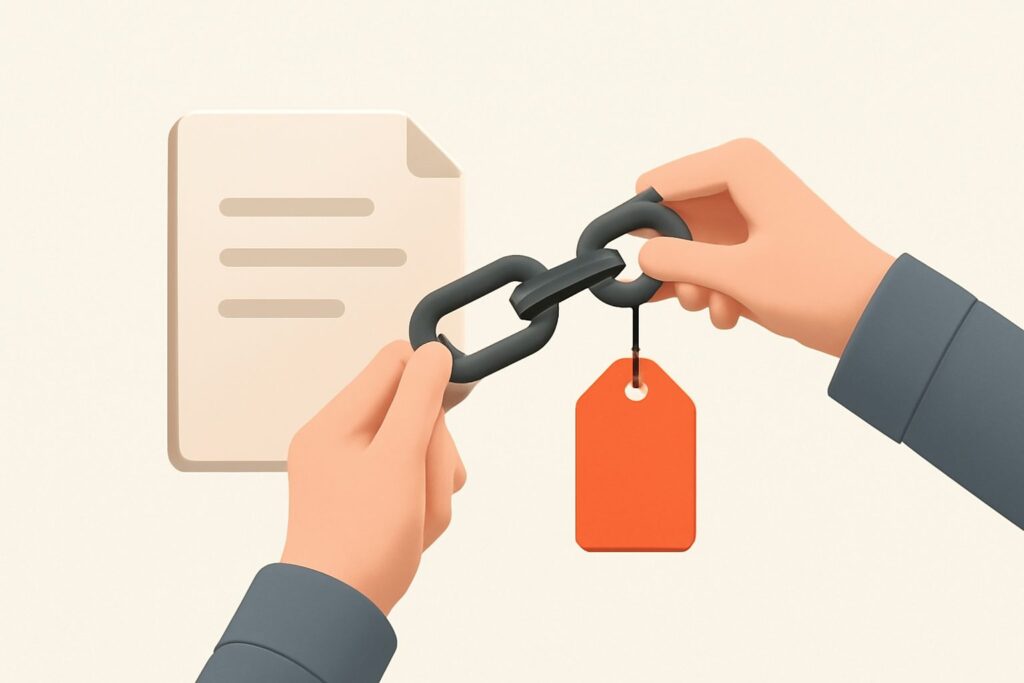
Most link-building advice starts from a cold position: convince a stranger to add a link to a page they’ve never thought about, for a brand they don’t care about. Unlinked brand mentions flip that math entirely. Someone has already written your name into their content — a journalist, a blogger, a forum moderator, a competitor’s “tools we use” roundup. The editorial decision to reference you is done. You’re not pitching an endorsement; you’re asking them to turn text they already published into a hyperlink. That is the single highest-conversion opportunity in link building, and most sites never touch it because they don’t know the mentions exist.
Why Mention Reclamation Converts Better Than Cold Outreach
The reason unlinked brand mentions work is psychological, not technical. When you cold-pitch a guest post or a resource-page link, the recipient has to decide whether you deserve their vouch. That’s a high bar, which is why cold link outreach reply rates are usually in the low single digits. With a mention, the vouch already happened — the author chose to name you in their own words. Asking them to link it is a formatting favor, not a favor of judgment. The friction is a fraction of what it takes to earn a link from scratch, so conversion rates on well-qualified mention reclamation routinely run several times higher than cold campaigns.
It’s also the most defensible tactic in Google’s eyes. You didn’t manufacture the citation, buy it, or trade for it — it was earned by whatever made someone mention you in the first place. Turning brand mention links from bare text into real links is about as clean as link building gets, which matters in a niche where most tactics carry guideline risk.
What Actually Counts as an Unlinked Mention
Not every appearance of your name is a real opportunity, and treating them all the same is how people waste a week emailing dead ends. A genuine unlinked mention has three properties: it references your entity (not a coincidental string match with a common word), it sits on a page that can pass value or drive referral traffic, and it isn’t already linked somewhere on that same page. That last check trips people up constantly — a site may mention you three times in body text while linking you once in the intro. That’s already a linked page; move on.
Coincidental matches are the other trap. If your brand is a common phrase, plain text search will surface pages that have nothing to do with you. You’re hunting for citations of the entity — the company, product, founder, or proprietary method — not the dictionary word.
How to Find Unlinked Brand Mentions
There are two complementary approaches, and serious campaigns use both.
- Search-operator sweeps. Query your brand name in quotes and subtract your own domain and social profiles from the results. Repeat for product names, your founder’s name, any proprietary framework or dataset you’ve published, and common misspellings. This surfaces indexed mentions cheaply, though it’s manual and misses freshly published pages.
- Mention and backlink monitoring. A media-monitoring alert (Google Alerts is the free floor) catches new mentions as they publish, so you can reach out while the page and the author’s memory are fresh — reclamation is easiest in the first few weeks. A backlink index lets you see which mentioning domains already link you and which don’t, so you’re not pitching pages that are already linked.
The finding step is where a data tool earns its keep. Inside SEO Rocket you can pull your referring-domains profile and see exactly which sites already link you — the inverse of that list, cross-referenced with where your brand is mentioned, is your prospect pool. The tool won’t send the emails (relationship-driven outreach is human work, and honestly it’s the moat), but it turns “who talks about us but doesn’t link us” from a guessing game into a filtered list you can prioritize.
Qualifying a Mention Before You Reach Out
Volume is not the goal; conversion per email is. Run every candidate through a quick filter and drop anything that fails, because a smaller list of strong prospects beats a fat list of weak ones. Ask:
- Is the page indexed and does it carry any authority or traffic? A link from a page nobody visits and Google barely indexes isn’t worth an email.
- Is the sentiment positive or neutral? Never chase a link from a page criticizing you — you’d be asking to strengthen a negative result in your own branded search.
- Is there a natural anchor point? The mention should sit somewhere a link genuinely helps the reader, so the author can say yes without it feeling forced.
- Is it relevant? A link from a topically related page carries far more weight than one from an unrelated domain, because Google weights editorial relevance and context well above raw link count.
This filter is the whole difference between mention reclamation that works and a spray of ignored emails. The prospects that survive all four checks are the ones worth a personalized message.
The Reclamation Email That Actually Works
The winning message is short, specific, and frames the ask as helping their reader — not helping you. A structure that consistently converts:
- Open with genuine specificity. Reference the exact article and, ideally, something true you appreciated about how they covered the topic. This proves you read it and aren’t mail-merging.
- Point to the mention. “You mentioned [brand] in the section on X” — quote it so they don’t have to hunt.
- Make the ask a reader benefit. “If it’s useful for your readers, feel free to link it to [URL] so they can find us directly.” Give them the exact target page.
- Keep it a favor, not a demand. No entitlement, no “you owe us a link,” no threats. A gracious tone converts better and protects the relationship for future coverage.
Send it from a real person at your company, not a role address, and expect to follow up once — politely, a week later — before letting it go. That’s it. Longer emails convert worse because they reintroduce friction the mention had already removed.
Anchor Text and the Nofollow Question
Two technical points where people overthink or over-optimize. First, never dictate exact-match anchor text. Asking a journalist to link “best AI SEO tool” instead of your brand name is the fastest way to look manipulative and get ignored — let the anchor be your brand or a natural phrase. Over-optimized anchors from a batch of outreach links are a classic footprint of a link scheme; a natural profile is mostly branded and URL anchors anyway.
Second, a nofollow or UGC-attributed link is still worth reclaiming. Google now treats nofollow, UGC, and sponsored as hints rather than strict directives, so the value isn’t zero, and the referral traffic and brand-search lift are real regardless of attribute. Don’t refuse a link because it might be nofollowed — that’s not your call to make, and it’s a bad reason to skip an easy win.
How Many Mentions Actually Convert — an Honest Range
Reclamation is still outreach, and outreach is a numbers game. Even with the built-in advantage of an existing mention, plenty of authors won’t respond — they’ve moved on, the site is abandoned, or the email never gets seen. A well-qualified, well-written reclamation campaign converts a meaningfully higher share than cold link building, but “higher” is not “guaranteed.” Anyone promising you a fixed conversion rate or a set number of links is selling certainty that doesn’t exist in outreach. Treat it as a reliable, repeatable source of a handful of quality links per campaign, not a faucet.
The compounding value is that these links are clean, relevant, and permanent in a way bought links never are. You’re converting endorsements you already earned into ranking signals, which is exactly the kind of profile that survives core updates.
Scaling Reclamation Without Sliding Into Spam
The tactic breaks the moment you stop personalizing. Mass-blasting an identical template to every mention — or worse, to pages that merely contain your brand as a coincidental word — is how a legitimate tactic turns into ignored spam and burned relationships. Scale the finding with tooling; keep the sending human. Batch your prospects by sentiment and relevance, write to the strong ones individually, and skip the marginal ones entirely. Reclamation done at genuine scale still means dozens of tailored emails, not thousands of merged ones. The grey line here isn’t a Google penalty — it’s reputational: annoyed editors remember, and they cover your brand for years.
Measuring the Payoff
Close the loop so you know the tactic is working and not just generating replies. Track which reclaimed links actually went live, watch your referring-domain count for the net gain, and monitor whether the target pages you pointed those links to move in the rankings over the following months. SEO Rocket’s rank tracking and backlink audit make this concrete — you can watch new referring domains appear, confirm the reclaimed links are healthy rather than toxic, and correlate them against position changes for the pages you sent them to. A playbook proven across 1,000,000+ ranking pages didn’t rely on tricks; it relied on doing durable, legitimate steps like mention reclamation consistently while competitors chased shortcuts that decayed.
Frequently Asked Questions
How do I find unlinked brand mentions for free?
Start with search-operator sweeps: search your brand, product, and founder names in quotes while excluding your own domain and social profiles. Layer a free Google Alert on those terms to catch new mentions as they publish. It’s manual and won’t tell you which mentioning pages already link you, but it’s a genuine zero-cost starting point before you invest in a backlink or monitoring tool.
Is turning unlinked mentions into links against Google’s guidelines?
No. You’re asking someone to link a citation they already chose to publish — the endorsement was earned, not bought or traded. That’s about as guideline-safe as link building gets. It only becomes risky if you demand exact-match anchor text or offer payment, both of which cross into link-scheme territory. Keep the ask a genuine favor with natural anchors and you’re clean.
Should I bother reclaiming a nofollow mention?
Yes. Google treats nofollow as a hint rather than a hard rule now, so the ranking value isn’t zero, and the referral traffic and branded-search lift are real regardless of the attribute. You also usually can’t control which attribute an author uses, so refusing to reach out over a possible nofollow just forfeits an easy, legitimate link.