Most people run a backlink gap analysis, export a spreadsheet of 4,000 “missing” domains, and never touch it again — because a raw list of every site that links to a competitor is not a strategy, it’s noise. The point of the exercise is not to discover that big brands have more links than you (you knew that). It’s to isolate the small set of sites that already link to two or three of your rivals, will plausibly link to a site like yours, and are worth the hours it takes to earn the link. Done that way, a link gap analysis becomes the single highest-yield prospecting method in link building. Done as a bulk export, it’s a to-do list nobody finishes.
What Backlink Gap Analysis Actually Is
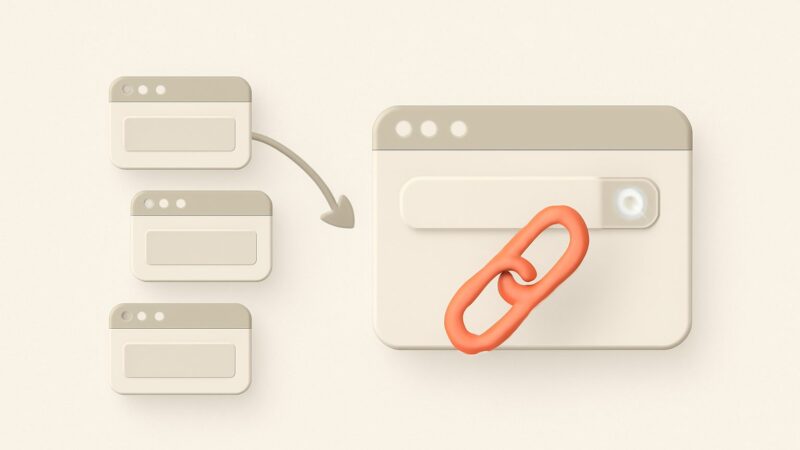
A link gap analysis compares your backlink profile against several competitors to surface the referring domains linking to them but not to you. The underlying idea is simple: if a site editorially links to three companies you compete with, it covers your topic, it hands out links in your space, and it has demonstrated it will do so. That is a far warmer prospect than a cold domain you found by guessing. The output you actually want is a prioritized prospect list — who links to your rivals, how strong each linking site is, and which competitors each one already points to.
What it is not is a scorecard. The headline “they have 900 referring domains and you have 200” tells you nothing about how to close the gap. Volume is a symptom; the linking domains themselves are the opportunity. Read the analysis as a directory of prospects, not as a verdict on how far behind you are.
Link Intersect: Why the Overlap Beats the Long List
The most useful mode of a link gap analysis is link intersect — filtering for domains that link to multiple competitors at once, not just one. A single site linking to one rival could be a fluke: a client relationship, a one-off mention, a paid placement you can’t replicate. But a site linking to three or four companies in your niche is following a pattern — a roundup, a resource page, a “best tools” list, a journalist’s recurring source pool. Those patterns are repeatable, and repeatable is what you want.
So the first filter on any backlink gap export is intersection count. Sort by “links to 3+ competitors” and you’ve cut a 4,000-row export down to a few dozen genuinely qualified targets. Those are the sites where your absence is conspicuous — where being the one competitor not mentioned is itself the pitch. That framing (“you cover our four biggest rivals but not us”) is one of the few outreach angles that reliably earns a reply.
Pick the Right Competitors or the Whole Thing Breaks
A backlink gap analysis is only as good as the rivals you feed it, and this is where most people quietly sabotage themselves. Choosing the three biggest brands in your industry produces a gap full of links you can’t realistically win — national press, Wikipedia, university .edu pages that took a decade of PR to accumulate. The export looks impressive and converts to nothing.
Choose SERP competitors instead: the sites actually ranking on page one for your target keywords, ideally ones close to your own authority level. Their links are the ones within reach, because a site roughly your size earned them recently through methods you can copy. A good working set is four or five direct rivals — enough for meaningful intersection, few enough that the pattern stays clean. Mixing in one aspirational leader is fine as a reference point, but build the core list from realistic peers.
How to Run a Backlink Gap Analysis, Step by Step
The mechanics are the same whatever tool you use:
- Set your root domain as the target and add four to five SERP competitors.
- Pull the intersection — the referring domains linking to one or more competitors but not to you.
- Sort by intersection count first, then by the linking site’s strength. Multi-competitor overlaps go to the top.
- Strip the unwinnable and the junk — scraper sites, expired-domain spam, pure directories, and giant publishers that will never cover a company your size.
- Cluster what remains by link type — resource pages, guest-post bylines, roundups, unlinked-style brand mentions, digital-PR citations. Each type needs a different play.
- Assign an angle to each cluster and only then start outreach.
SEO Rocket runs the analysis half of this for you: point its competitor gap analysis at real Ahrefs backlink data, and it returns the named referring domains linking to your rivals but not to you, with the intersection and strength signals already attached. That turns the tedious part — assembling and de-duping the prospect list — into a query, so your time goes to qualifying and outreach instead of spreadsheet wrangling.
Qualifying a Gap: Which Prospects Are Worth Chasing
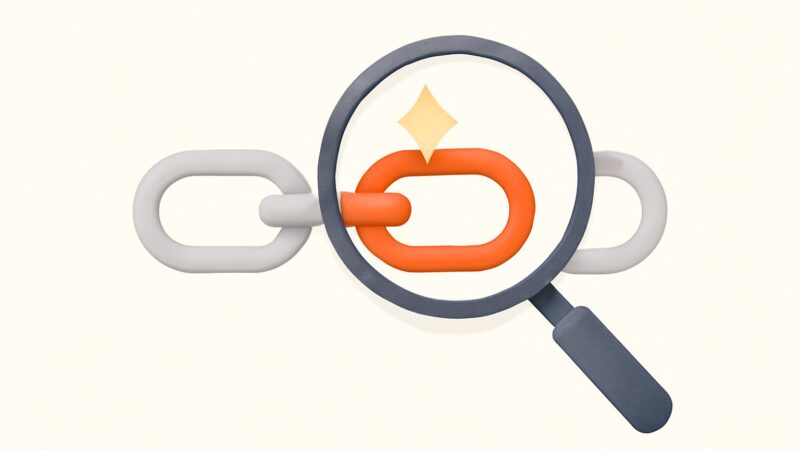
Not every domain in the backlink gap deserves an hour of your week. Qualify against three questions before it earns a spot on the outreach list. First, relevance: does the linking page actually cover your topic, or did it mention a competitor in passing on an unrelated post? A relevant link from a modest site beats a random link from a strong one — Google weights editorial context and topical fit far above raw counts. Second, attainability: is there a real mechanism to earn this link — a resource page you fit, a roundup that updates, a writer who takes pitches — or is it a link no outreach can move? Third, the link itself: is it a followed editorial link, or nofollow/UGC/sponsored? The latter still carry brand and referral value, but treat them as hints Google may not pass equity through, not as strict ranking wins.
A note on the strength metric: “domain authority” is a third-party score from Moz (and its equivalents from other vendors), not a signal Google publishes or uses. It’s a useful relative filter for sorting prospects, nothing more. Don’t chase a number Google never reads; chase relevance and a real path to the link.
The Link Types Hiding in Your Gap
Once you cluster the qualified prospects, most fall into a handful of repeatable buckets, each with its own play:
- Resource and “best of” pages — curated link lists in your niche. If they list three competitors and you genuinely belong, a short pitch showing you fit the page’s criteria is one of the highest-conversion asks in outreach.
- Roundups and comparison posts — “top X tools” articles that get periodically refreshed. Being the missing option is your angle.
- Guest-post bylines — sites where competitors contributed articles. These accept contributors, so the door is open; just keep it to relevant sites and real editorial standards, because guest posting at scale on irrelevant domains is a link scheme, not a strategy.
- Digital-PR and journalist citations — a reporter or blogger who cited a rival’s data or commentary. Offering a better stat, a fresh quote, or original research is how you become the next citation.
- Brand mentions without a link — sites that named a competitor’s category but linked nowhere. A polite nudge with a genuinely useful destination sometimes converts.
What a Gap Analysis Can’t Tell You: Buying vs Earning
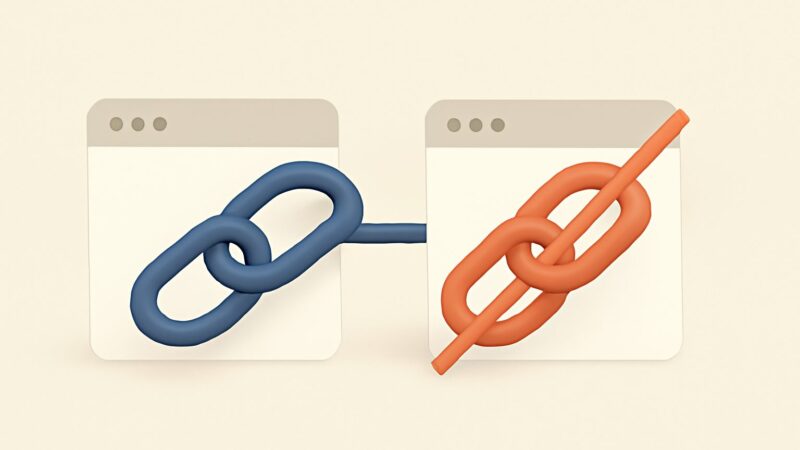
Some of the links in any competitor’s profile were bought — paid placements, sponsored posts dressed as editorial, private-network links. The analysis surfaces them without labelling them, and it’s tempting to conclude “the rival bought links, so I need to.” Here’s the mechanism to keep in mind: paid links that pass equity violate Google’s link-spam policies, and Google’s systems increasingly neutralize manipulative links algorithmically — they pass no value — while egregious patterns can draw a manual action. So replicating a competitor’s bought links often means paying for links that do nothing, or worse, buying a risk you can’t schedule the repayment on. The durable move is to treat the gap as a map of where relevant sites link in your niche, then earn those placements editorially. It’s slower and the reply rate is humbling, but the links hold through updates because nothing about them depends on Google not noticing.
From List to Links: The Part Software Can’t Do
This is the honest boundary. A tool can build and rank your backlink gap; it cannot build the relationship that earns the link. Outreach is a numbers game with low reply rates — most emails go unanswered, and that’s normal, not failure. A message that earns a reply is short, names the specific page you’re referring to, states plainly why you belong there (you fit the roundup’s criteria; you have a better stat than the source they cited; the missing option is you), and asks for one clear thing. No flattery, no template smell, no “I stumbled upon your amazing blog.” The relationship and the pitch are the human work — and because they’re hard to automate, they’re also the moat.
SEO Rocket is deliberately honest about its scope here: it finds and prioritizes the targets and audits your existing profile, but it does not send outreach for you or sell links. The playbook it’s built on — one proven across 1,000,000+ ranking pages — never leaned on bought links; it leaned on doing the prospecting rigorously and the outreach personally, at volume.
Don’t Skip the Reverse: Audit Your Own Profile Too
A link gap analysis points outward, but run the mirror image on yourself before you spend a quarter chasing new links. A backlink audit spots toxic or spammy links pointing at your site — the residue of an old campaign, negative SEO, or scraper networks. Google ignores most of them automatically now, so panic-disavowing everything is a mistake; disavow only the clearly toxic patterns. The point is to know your starting profile so you can tell later whether new links actually moved anything, and so you’re not building on a foundation that’s quietly dragging.
Measuring Whether the Gap-Closing Worked
Links are a means, not the scoreboard. Track three things over months, not days. Referring domains: are you steadily closing the intersection gap on your target competitors, or standing still? Rankings: are the pages you built links toward climbing for their target keywords — tracked as a trend on top-100 snapshots, since positions jitter daily and one good day means nothing? And the funnel view: how many links, from what kind of sites, does parity with a given competitor realistically require? SEO Rocket’s cost-to-rank and backlink-gap funnel estimates exactly that — the link volume and niche band needed to reach competitive parity — and its rank tracking shows the payoff landing (or not) so you can tell earned links from coincidence. If rankings don’t budge after a genuine link push, the honest read is usually content or intent, not link count — and that’s worth knowing before you buy more links to fix a problem links won’t solve.
Frequently Asked Questions
How many competitors should I use in a backlink gap analysis?
Four to five direct SERP competitors near your own authority level. That’s enough for meaningful link intersect — domains linking to several rivals at once — without diluting the pattern. Add one bigger leader only as a reference point, not as a core target, since its links are usually out of reach.
What’s the difference between backlink gap and content gap analysis?
A backlink gap analysis finds referring domains linking to competitors but not to you — link opportunities. A content gap analysis finds keywords and topics rivals rank for that you don’t — content opportunities. They’re complementary: the content gap tells you what to publish, the backlink gap tells you where to earn links to it.
Are the “missing” links from a gap analysis guaranteed wins?
No. A gap analysis surfaces prospects, not guarantees. Many links can’t be replicated (client relationships, paid placements, one-off press) and outreach reply rates are low. The value is prioritization — it points you at the warmest, most relevant targets so your limited outreach hours go where they’re most likely to convert.