
SEO for tutoring services is not the same job as SEO for a SaaS product or an e-commerce store, and treating it like one is why most tutoring sites stall. Your buyer is usually a parent under mild stress — a report card came home, an exam is eight weeks out — and they are searching with a very specific subject, level, and often a location in mind. Get SEO for tutoring services right and you catch that parent at the exact moment they’ve decided to pay for help.
This guide covers what makes this niche different, the keywords that actually convert, the highest-leverage moves, the mistakes that waste months, and where a tool speeds the work up. It’s specific to tutoring — not generic advice with “tutoring” pasted over the top.
How tutoring buyers actually search
Parents and adult learners rarely search for “tutoring.” They search for the exact thing they’re worried about. That means “GCSE maths tutor,” “IB chemistry tutoring,” “SAT prep near me,” “Year 4 English tutor,” or “online Spanish tutor for adults.” The searches are long, precise, and loaded with intent — someone typing “A-level physics tutor Croydon” is not browsing, they’re close to booking.
Two things follow from that. First, high-volume head terms like “tutor” or “tutoring” are mostly noise for you; the money sits in the specific subject-plus-level-plus-place combinations. Second, intent is unusually easy to read here. A search naming a subject and an exam board is a buyer. A search like “how to help my child with fractions” is a parent who may become a buyer later — worth a blog post, not your priority page.
There’s also a seasonal rhythm you can plan around. Demand spikes before exam periods and at the start of each school year, then dips over holidays. Knowing your calendar means you publish exam-prep pages months ahead, while competitors are still writing theirs in a panic the week revision starts.
The money keywords, with intent
Group your keywords by what the searcher wants, then build pages that match. Here is the pattern that repeats across almost every tutoring business, with examples.
| Example keyword | Intent | What page it needs |
|---|---|---|
| maths tutor near me | Ready to book, local | Location + subject landing page |
| IB chemistry tutor online | Ready to book, niche | Subject page for a specific exam |
| SAT prep tutoring cost | Comparing, price-sensitive | Pricing / FAQ page, honest numbers |
| 11 plus tutor for my son | High-value, anxious buyer | Exam-specific page with reassurance |
| how to improve reading comprehension | Researching, early | Blog post that captures the email |
| online tutoring vs in person | Deciding on format | Comparison guide, soft pitch |
The lesson: one generic “Our Services” page cannot rank for all of these, because each search wants a different answer. The tutoring sites that win build a dedicated page per subject, per level, and — where they serve a physical area — per location.
Local versus national intent
Decide early which game you’re playing, because it changes everything. If you tutor in person or run a center, you’re competing locally, and Google’s map pack and “near me” results are your battleground. A verified Google Business Profile, consistent name-address-phone details across directories, and location pages that name real neighborhoods will move you further than any amount of blogging.
If you tutor online, you’re in a national — sometimes global — race, and you win on subject depth and reviews instead of proximity. Local competition is thinner, so a strong local page can rank quickly; national subject pages take longer but reach a far bigger audience. Many tutoring businesses do both, and the mistake is blurring them: a single homepage trying to rank for “tutoring in Leeds” and “online IB tutor” does neither well. Keep the local pages local and the subject pages format-agnostic, and let each chase its own searches.
The highest-leverage moves
A few things return far more than the effort they cost. Build them first.
- Subject-by-level pages. One strong page for “GCSE biology tutor” beats ten thin pages covering “all sciences.” Depth ranks; breadth on a small site doesn’t.
- Real proof. Grade improvements, tutor qualifications, and genuine parent reviews. This niche runs on trust — Google and parents both reward it.
- An honest pricing or FAQ page. “How much does tutoring cost” is searched constantly. Most competitors hide the number; a page that answers plainly captures searchers they push away.
- Location pages you actually staffed. If you serve five towns, five specific pages — not one page listing five towns.
Notice what’s missing: chasing viral blog traffic. Educational blog posts have their place for capturing early-stage parents, but they convert slowly and rarely bring in bookings on their own. Get your subject and location pages solid first, prove they earn enquiries, and then start blogging around them.
Common mistakes tutoring services make
The same errors show up again and again. One page for every subject is the big one — it feels tidy and it ranks for nothing. Another is ignoring exam boards and levels; “maths tutor” and “Edexcel A-level maths tutor” are different searches with different buyers, and the specific one converts far better. A third is neglecting the Google Business Profile while pouring effort into the website, when for a local tutor the profile often drives more calls than the site.
Then there’s over-optimizing. Stuffing “best maths tutor London affordable cheap” into every heading reads as desperate to a parent and does nothing for rankings. Write the way a reassured parent would describe you. Finally, many tutoring sites never track anything, so they can’t tell which subject pages earn bookings and which just sit there — and you can’t improve what you don’t measure.
How SEO Rocket fits the tutoring workflow
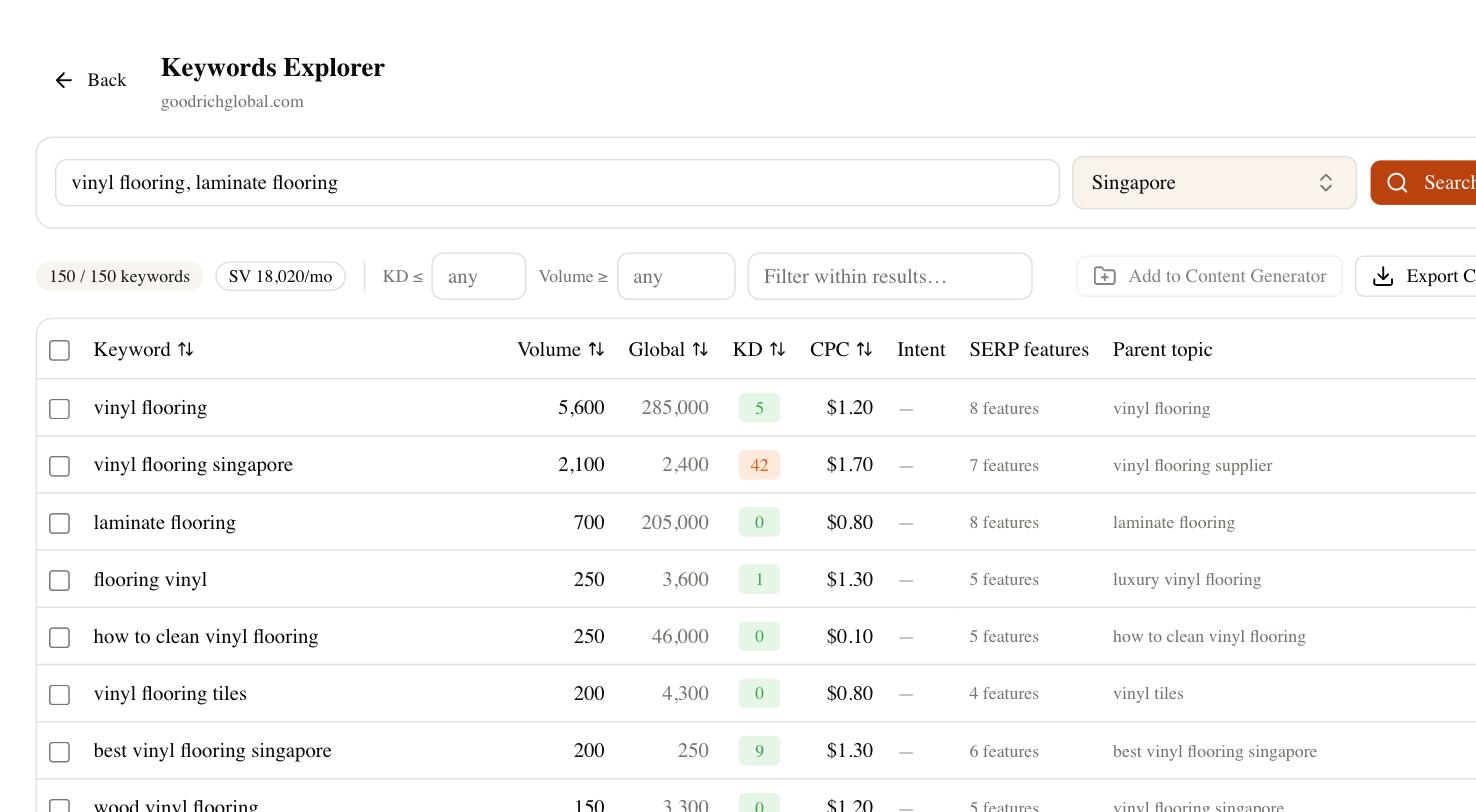
The work above is mostly research and content, and that’s where a tool earns its place. In SEO Rocket you ask, in plain language, for keyword ideas around a seed like “IB chemistry tutor” and get real search volumes and difficulty scores back, so you can see which subject-and-level combinations are worth a page and which are too competitive for a young site. The competitor gap feature shows which subject pages other tutoring businesses rank for that you’re missing — an instant content plan.
From there the AI writer drafts the subject or location page on that data, rank tracking tells you which pages are actually climbing, and the site audit catches the technical issues — slow pages, missing titles — that quietly hold a small site back. If you serve several areas or subjects, you can spin up the pages far faster than writing each by hand, then refine the ones that gain traction. For anyone running a tutoring business without a marketing team, having research, writing, and tracking in one place is the difference between doing SEO consistently and doing it once and forgetting.
Your first-month checklist
If you do nothing else, do these, roughly in order:
- List every subject and level you teach; each is a potential page.
- Claim and complete your Google Business Profile if you tutor locally.
- Research keywords for your top three subjects and note volume and difficulty.
- Build one strong page per priority subject, with proof and a clear next step.
- Add an honest pricing or FAQ page answering “how much does it cost.”
- Gather three to five genuine reviews and publish them.
- Set up rank tracking so month two is decisions, not guesses.
Give it a full term before you judge results — SEO for a tutoring site compounds over months, not weeks, and rankings jitter a few positions day to day regardless of what you do. But the businesses that build specific, honest pages for the exact searches their parents type consistently pull ahead of the ones running one vague page and hoping. Match the page to the search, prove you’re good, and stay patient.