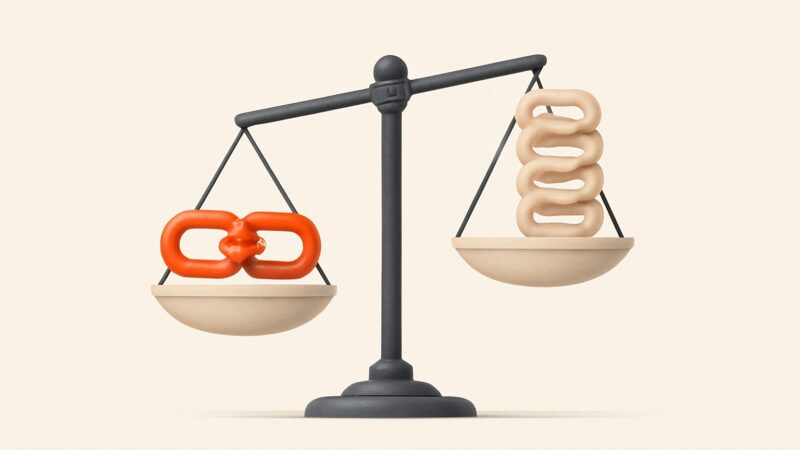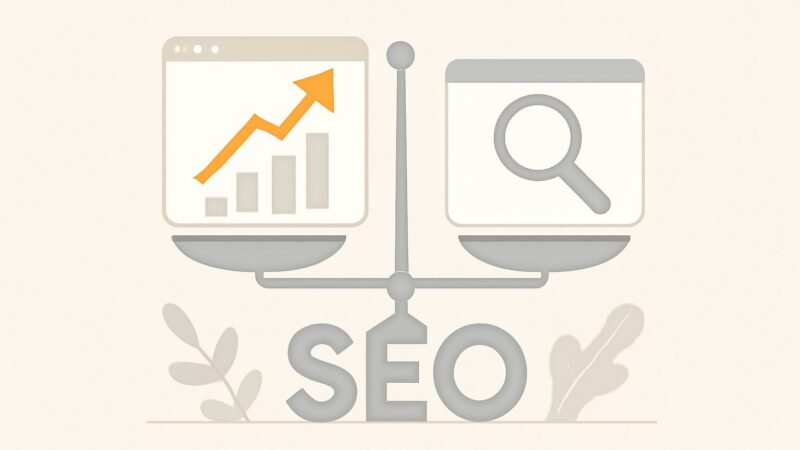
Most people frame seo vs google ads as a fight between “free traffic” and “paid traffic,” and that framing loses you money before you’ve spent a dollar. Neither is free, and neither is inherently better. The real distinction is between buying a capital asset and renting a utility. SEO is a page you own that keeps returning traffic at near-zero marginal cost once it ranks. Google Ads is a metered spigot: turn it on, clicks flow; turn it off, they stop that afternoon. Decide which you need, and the “which is better” argument dissolves into arithmetic about payback horizon and margin.
The Core Distinction: Asset vs Rented Utility
Every dollar you put into SEO buys durable inventory — a URL that, once it earns its position, delivers clicks month after month whether or not you keep paying. Every dollar you put into Google Ads buys a single visit at auction price, and the next visit costs the same again. That’s the whole difference in one sentence. Organic is capital expenditure with a lag and a residual value; paid is variable cost with instant delivery and zero residual. The paid vs organic decision is really a question of whether you’re building equity or buying volume this quarter.
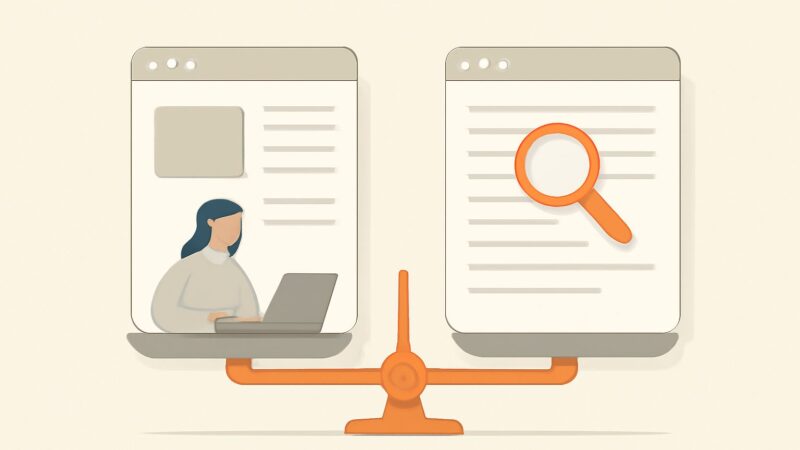
This is why the honest answer to seo vs google ads is almost never “pick one.” They occupy different jobs on the same balance sheet. The mistake is treating them as substitutes competing for the same budget line when they’re actually a capital account and an operating account.
How Google Ads Actually Prices Your Traffic
Google Ads runs a real-time auction on every search. Your cost per click isn’t set by Google — it’s set by the second-highest bidder in your keyword’s market, adjusted by Quality Score (a blend of expected click-through rate, ad relevance, and landing-page experience). A high Quality Score lets you pay less than a competitor for the same position, which is the one lever that separates disciplined PPC from lighting cash on fire.
The uncomfortable property of paid search: CPCs rise as a market gets more valuable and more crowded. In genuinely competitive commercial niches — legal, insurance, SaaS, home services — a single click can run into the tens of dollars. You never stop paying that toll, and it tends to climb over time, not fall. The upside is total control: you can launch a campaign this morning and have qualified visitors by lunch, dial spend up for a promotion, and pause it the moment cash flow tightens.
How SEO Actually Earns Your Traffic
SEO has the inverse profile. There’s a real build cost — content, technical work, earned links — and a real lag, typically three to six months before a competitive page reaches page one, sometimes longer in the hardest niches. But once a page ranks, each additional click costs you effectively nothing. The maintenance cost is refreshing content and defending position, not re-buying every visit.
The trade you’re accepting with organic is uncertainty for durability. Google Ads guarantees placement if you outbid the auction; SEO guarantees nothing — you can invest for months and never crack page one for a term that’s simply too authoritative to displace. Anyone promising guaranteed rankings is selling you something Google explicitly says can’t be promised. What SEO buys, when it works, is a position that holds through updates because it was built to satisfy the query, not to game a bid.
The Break-Even Math Nobody Runs
Here’s the calculation that settles most ppc vs seo debates. Suppose a keyword sends 1,000 clicks a month and your market’s CPC is $4. Paid search costs you $4,000 every month, forever, to hold that traffic. Now suppose ranking organically for the same term takes a $12,000 investment over six months. From month seven onward, that organic traffic costs you close to nothing to maintain.
- Google Ads over 12 months: roughly $48,000, and the meter keeps running into year two.
- SEO over 12 months: roughly $12,000 of build cost plus modest upkeep, with the traffic still arriving in month 24 at no incremental click cost.
The crossover — the month where cumulative ad spend overtakes the one-time SEO investment — is the number that should drive your decision. Set your own figures; the point is the shape. Paid is a line that climbs forever; organic is a hump that flattens into near-free traffic. The steeper your CPC and the longer your horizon, the more badly the math favors owning the asset. The shorter your horizon — a seasonal push, a product launch, a runway measured in weeks — the more it favors renting.
Speed and Control: Where Google Ads Wins Outright
If you need traffic this week, there is no contest. Google Ads is on within hours; SEO is a season away. Paid search also gives you experimental control SEO can’t match: you can test twenty headlines, ten landing pages, and five audience segments in a fortnight and read the conversion data directly. For validating whether a market even wants your offer, paid is the fastest, cleanest instrument available — you’re buying market intelligence as much as clicks.
Ads also let you target with a precision organic can’t. You bid on exact commercial-intent terms, layer in location and device, and appear at the top of the page above the organic results. When someone searches with a credit card in hand, that top slot is worth paying for even if you also rank organically below it.
Durability and Trust: Where SEO Wins Outright
The reverse advantage is compounding. An organic position built on genuine relevance keeps working while you sleep, and it doesn’t reset when your budget does. There’s also a trust asymmetry most spreadsheets miss: a large share of searchers skip ads and click the first organic result, associating paid placements with, well, paying to be there. Ranking organically for a query signals a kind of earned authority that a sponsored label doesn’t carry.
SEO’s second durable payoff is the long tail. A single strong page tends to rank for dozens or hundreds of related queries you never explicitly targeted — variations, questions, and adjacent phrases. You bid on each paid keyword individually; you earn organic long-tail traffic in bulk from one well-built page. Over time that unpaid, unbid-for volume becomes the quiet majority of a mature site’s traffic.
The False Binary: Why the Best Answer Is Usually Both
Framing google ads vs seo as either/or ignores how the two channels feed each other. Run them together and each makes the other sharper:
- Ads fund and de-risk SEO. Paid conversion data tells you exactly which keywords make money before you commit months of content investment to them — you’re buying a map of what’s worth ranking for.
- SEO lowers your ad bill. Every term you rank for organically is a term you can stop over-bidding on, redeploying that budget to keywords you can’t yet win organically.
- Owning both slots lifts total clicks. Appearing in the paid block and the organic results for the same query captures more of the page than either alone, and reinforces brand recall.
The practical sequence for most businesses: start paid to generate cash flow and learn which terms convert, then use that intelligence to prioritize an SEO build that gradually replaces the recurring ad cost with owned inventory. Paid buys you time; organic buys you independence from the auction.
When to Lean Paid, When to Lean Organic
Weight toward Google Ads when your runway is short, your offer is unvalidated, your sales cycle is immediate, or you’re pushing a time-boxed promotion. Weight toward SEO when your margins are thin (paying per click on every sale erodes them), your buying cycle involves research, your CPCs are punishing, or you’re building a business you intend to still own the traffic for in three years. Informational and top-of-funnel queries almost always favor organic — nobody wants to pay per click for “how does X work” traffic that converts slowly.
One more honest caveat cuts both ways: some markets are so competitive organically that SEO payback stretches past the point where it makes sense, and some products have margins too thin to survive any CPC at all. Run the actual numbers for your niche before committing — the right split is a calculation, not a philosophy.
Doing the SEO Half Well Enough to Win the Trade
The break-even math only favors SEO if the organic investment actually ranks — a thin page that never reaches page one is pure sunk cost with no residual, worse than the honest ad spend it replaced. That’s the step most teams underestimate, and it’s the workflow SEO Rocket is built to run. It pulls real keyword research on live Ahrefs data — with search volume and keyword difficulty shown honestly as third-party estimates, not ground truth — so you target terms you can realistically win rather than ones the auction data merely says are valuable.
From there it runs competitor and keyword-gap analysis to find the terms rivals rank for that you don’t, an AI article writer with validation gates so pages ship complete instead of thin, a real-crawler site audit that surfaces the on-page issues quietly capping your positions, plus rank tracking and AI-visibility tracking on a client dashboard — around $50/month with a free tier. The founder’s playbook behind it is one proven across 1,000,000+ ranking pages, and the throughline is unglamorous: do every step consistently, because that’s what turns an SEO investment into an asset instead of a write-off.
Frequently Asked Questions
Is SEO cheaper than Google Ads?
Over a long enough horizon, almost always — organic traffic costs nothing per click once you rank, while paid traffic costs the auction price on every visit forever. But SEO isn’t cheaper in month one; it carries an upfront build cost and a three-to-six-month lag before it pays off. Paid is cheaper if your horizon is only a few weeks. Run the break-even to find your crossover.
Can I do SEO and Google Ads at the same time?
Yes, and for most businesses that’s the strongest play. Paid search validates which keywords actually convert and delivers immediate cash flow; SEO then converts your best-performing terms into owned inventory that lowers your long-term ad bill. Owning both the paid and organic slots for a query also captures more total clicks than either channel alone.
Which converts better, paid or organic traffic?
It depends on intent, not channel. High commercial-intent searches often convert well from ads because you control the exact term and landing page. Organic tends to build more trust and captures the long tail of research-stage queries that convert later. The reliable answer comes from your own analytics — measure conversion by keyword and channel rather than assuming.