People looking to switch from SpyFu to SEO Rocket are typically not disappointed with SpyFu’s competitor and PPC keyword research — that’s genuinely SpyFu’s strength. They’re finding that competitor keyword history alone doesn’t cover what the rest of their SEO work actually needs: content, backlinks, technical audits, rank tracking, and increasingly, visibility inside AI search answers. This guide is honest about what SpyFu still does better, and walks through what a sensible migration looks like for teams whose needs have outgrown a single competitor-research tool.
Why People Switch
The most common trigger is scope, not dissatisfaction. SpyFu is built around competitor and PPC keyword research — seeing what domains rank and bid for, and how that’s changed over time. Once a team needs to actually act on that intelligence — write content, track their own rankings over time, audit technical issues, or manage the full picture across many client sites — SpyFu alone isn’t enough, and they end up stitching together a second or third tool anyway. The second trigger is AI search: SpyFu has no visibility into how often a domain gets cited inside ChatGPT, Google AI Overviews, Gemini, or Perplexity, and as more research and buying behavior shifts into AI answers, that blind spot has started to matter for a growing share of teams, particularly agencies reporting to clients who are starting to ask about it directly.
What SpyFu Does Well
Be fair about this: SpyFu’s core competitor-research and PPC features are strong and shouldn’t be understated. Its historical keyword data — showing which keywords a domain has ranked or paid for going back years — is genuinely useful for competitive strategy and understanding how a rival’s SEO and PPC approach has evolved. The PPC Competitor Kombat and ad history tools are aimed specifically at paid search research in a way most SEO suites, including SEO Rocket, don’t attempt to replicate. If competitor ad intelligence and PPC keyword spy work is the core of your job — for example, managing paid search for clients — SpyFu’s depth there is a real advantage that a general SEO platform isn’t built to match.
SpyFu vs SEO Rocket: Feature by Feature
| Capability | SpyFu | SEO Rocket |
|---|---|---|
| Competitor keyword research | Strong, with long historical depth | Competitive analysis and Content Gap built into the same workflow |
| PPC / ad history research | Core strength — Competitor Kombat, ad history | Not offered — SEO Rocket doesn’t do PPC ad spy research |
| Keyword research (organic) | Included, competitor-focused | Full Keywords Explorer: volume/KD/CPC plus 2D/3D semantic Keyword Graph |
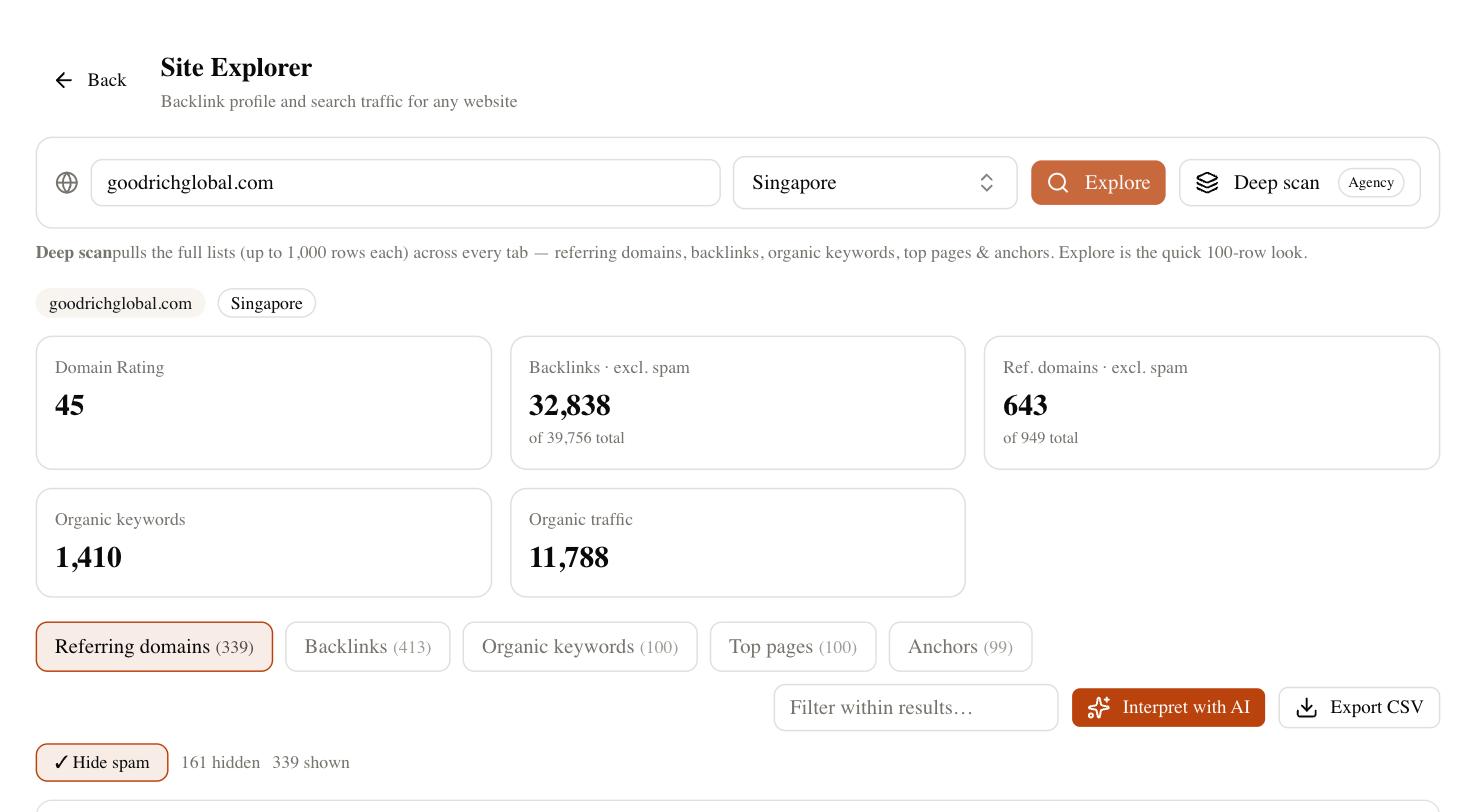
| Backlinks / Site Explorer | Basic backlink data | Full Site Explorer (backlinks, referring domains, top pages, organic keywords) on Ahrefs Enterprise data |
| Rank tracking | Included, competitor-oriented | Built-in rank tracking inside the same chat-first workflow |
| AI content writing | Not offered | Claude-powered AI Content Writer |
| Technical audits | Not offered | Site audits plus free Website Speed Test |
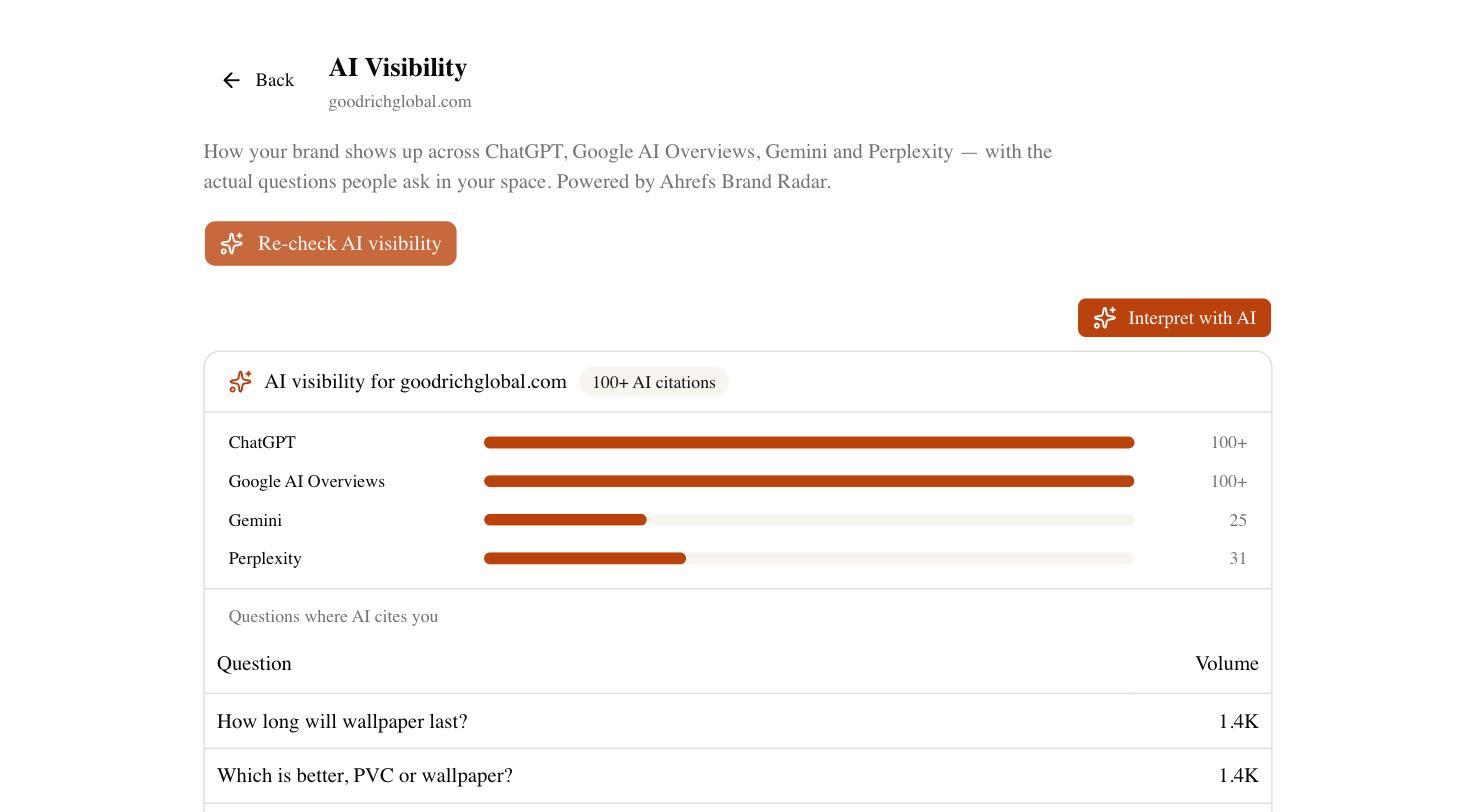
| AI-search / GEO visibility | Not offered | AI Visibility / Brand Radar across ChatGPT, Google AI Overviews, Gemini, Perplexity |
| Entry price (2026, approx.) | ~$39/mo (Basic) | Free plan available; Pro $49/mo (3 sites, 400 credits/mo) |
Prices are approximate 2026 entry-tier list pricing — always confirm current figures on each vendor’s site before deciding.
How to Migrate, Step by Step
1. Export your competitor tracking lists from SpyFu — the domains you monitor and the keyword sets tied to them — so you don’t lose your existing competitive framework.
2. Create your SEO Rocket project, connect your domain, and let the initial site snapshot run for a technical audit and backlink baseline.
3. Recreate your competitor watchlist using SEO Rocket’s Competitive analysis and Content Gap tools, feeding in the same domains you tracked in SpyFu.
4. Rebuild your rank tracking list, importing your priority keywords rather than starting over, so reporting continuity is preserved.
5. If PPC and ad-history research is a meaningful part of your work, keep SpyFu (or a comparable PPC tool) running alongside SEO Rocket for that specific function — this is a case where running both makes sense rather than a full replacement.
6. Layer in AI Visibility tracking and the AI Content Writer once your core data migration is done, since these are capabilities SpyFu never offered and represent genuinely new coverage, not a replacement for something you had.
What You Keep, What Changes
You keep the competitive mindset — watching specific competitor domains and their keyword movement — but that capability now sits inside a platform that also covers content, technical health, and rank tracking, rather than being the whole toolset. What you don’t get is SpyFu’s PPC ad-history and Competitor Kombat features; if paid search competitor intelligence is a core deliverable for your clients, that gap is real and worth planning around, whether by keeping SpyFu for that slice of work or accepting the trade-off. What you gain is a materially wider organic SEO toolset plus AI-search visibility tracking that didn’t exist in your old stack at all.
Pricing Comparison
| Plan tier | SpyFu (approx., 2026) | SEO Rocket |
|---|---|---|
| Free tier | Limited free searches, no full free plan | Free — 1 site, 50 starter credits |
| Entry | Basic ~$39/mo | Pro $49/mo (3 sites, 400 credits/mo) |
| Mid | Professional tier, more results/exports | Growth $99/mo (10 sites, 1,000 credits/mo) |
| Team / Agency | Team tier, multiple seats | Agency $199/mo (25 sites, 2,500 credits/mo) |
| Enterprise | Custom | Custom |
Annual billing on SEO Rocket saves roughly 8% (one month free). All prices are approximate 2026 entry-tier figures — confirm current pricing before switching.
Who Should NOT Switch
If PPC competitor research and ad-history spying is a core part of your job — for example, you manage paid search strategy for clients and need to see what competitors are bidding on and how their ad copy has changed — SpyFu’s depth there isn’t something SEO Rocket replaces, and dropping SpyFu entirely would leave a real gap. Many agencies reasonably keep SpyFu specifically for PPC intelligence while using SEO Rocket for organic content, technical SEO, and AI-search visibility. Switch fully only if your competitor research is organic-focused and PPC spying was never the main reason you had SpyFu in the first place.
Frequently Asked Questions
Does SEO Rocket do PPC or ad research like SpyFu?
No — SEO Rocket doesn’t include PPC ad history or Competitor Kombat-style paid search research. If that’s a core need, keeping SpyFu alongside SEO Rocket is the honest recommendation.
Can I import my SpyFu competitor lists and keyword data?
There’s no direct import, but you can export your tracked domains and keyword lists from SpyFu and manually rebuild your watchlist in SEO Rocket’s Competitive analysis tools.
Is SEO Rocket’s backlink data as deep as SpyFu’s?
SEO Rocket’s Site Explorer runs on Ahrefs Enterprise data, which is generally deeper for backlinks and referring domains than SpyFu’s backlink module, which is a secondary feature for them.
Is there a free way to try SEO Rocket before switching?
Yes — the Free plan includes one site and 50 starter credits, enough to run a real audit and competitive snapshot before deciding how much of your SpyFu workflow to move over.
If organic content, technical SEO, and AI-search visibility are the pieces missing from your SpyFu setup, you can start free at app.seorocket.ai and run your first competitive snapshot in minutes — no credit card required.