SEO for appliance repair is a different job from ranking a blog or an online store. Your buyer isn’t browsing — their dryer just died, the fridge is warming up, and they want someone at the house today, which is exactly why SEO for appliance repair lives or dies on local, high-intent search. Get the local foundations right and a handful of pages can keep your calendar full. Get them wrong and you stay invisible while the calls go to whoever showed up in the map pack.
This guide skips the generic advice. It covers how your customers actually search, which keywords put a paying job on the books, the moves with the highest leverage for a repair business, and the mistakes that quietly cost you calls every week.
Why appliance repair search is its own animal
Most appliance repair searches carry urgency and a location. Nobody types “how does a compressor work” before booking — they type “refrigerator not cooling repair near me” or “Samsung dryer repair Austin.” That combination of a broken thing plus a place is your entire game. It means national keyword volume barely matters; what matters is ranking in the specific towns you actually drive to.
It also means intent is unusually clean. There’s little top-of-funnel research and almost no comparison shopping the way there is for, say, a new HVAC install. Someone with a dead washer wants a working washer, fast. Your job is to be the obvious, trustworthy, nearby choice at the exact moment they reach for their phone — usually in the map pack and the first two organic results, rarely deeper.
The searches that actually book jobs
Group your keywords by the shape of the search, not by raw volume. A term with 90 monthly searches in one city can outperform a national term with 20,000 because everyone typing it is a mile away with a broken appliance and a credit card. Here’s how the intent breaks down for this niche.
| Example keyword | Intent | Why it books work |
|---|---|---|
| appliance repair near me | Emergency / local | Highest commercial intent; map pack wins it |
| samsung refrigerator repair [city] | Brand + local | Owner knows the brand and wants a specialist |
| washer not draining repair | Symptom / urgent | Something is broken now — ready to call |
| same day dishwasher repair [city] | Urgency modifier | Speed is the deciding factor |
| how much to fix a dryer | Cost research | Softer intent, but a fast quote converts it |
| whirlpool oven repair cost | Brand + cost | Comparing before committing — earn the call |
Notice the pattern: appliance type, brand, symptom, and urgency are the four modifiers that turn a vague search into a booking. Build your keyword list by crossing those four against every service area you cover, and you’ll have more genuinely valuable targets than most repair sites ever rank for.
Local is the whole game
Two things drive local appliance repair rankings above almost everything else: a well-run Google Business Profile and pages that actually match each area you serve. The profile is your single biggest lever. Fill out every field, pick precise service categories, list the exact appliances and brands you fix, and keep your hours and service area accurate. Fresh photos and a steady trickle of reviews do more for map-pack position than any amount of homepage copywriting.
On your website, one thin “service areas” page listing twelve towns won’t cut it. Google wants to see a real page for the places and services that matter — a dedicated page for “refrigerator repair in [town]” with local detail, your coverage, and honest specifics beats a generic catch-all every time. You don’t need a page for every town times every appliance on day one, but you do need real pages for your top few markets and top few appliances, not a keyword-stuffed footer.
Brand and appliance pages win the long tail
Homeowners often search by brand because they assume brands need specialists — and they’re not entirely wrong. A page targeting “LG refrigerator repair” that names the common failure symptoms, typical parts, and what a visit looks like will pull in searches your competitors ignore. Do the same for the appliances you service most: washers, dryers, dishwashers, ovens, refrigerators.
These pages compound. Each one is a small, specific net for a specific searcher, and together they catch the long tail of brand-plus-symptom queries that add up to real volume across a service area. They also make you look like the specialist you are, which is exactly the signal an anxious homeowner with a dead $2,000 fridge is looking for. Keep each page genuinely useful — a few honest lines about the brand’s common faults, roughly what a repair involves, and a clear way to book — rather than the same paragraph with the brand name swapped in. Copy-paste pages get filtered; specific ones get ranked.
Reviews, speed, and trust are ranking factors here
In a trust-driven, urgent category, reviews aren’t a vanity metric — they’re a conversion and ranking input. A steady flow of recent, detailed Google reviews lifts your map-pack visibility and closes the sale once someone lands on your profile. Ask every satisfied customer, make it a one-tap link, and respond to the ones you get.
Site speed and mobile experience matter more here than in most niches because your traffic is overwhelmingly panicked people on phones. A slow, cluttered page loses the call to a faster competitor before your content ever gets read. Clear phone number, click-to-call, service area, and hours above the fold beat a clever tagline every single time.
Common mistakes appliance repair businesses make
Most repair sites lose rankings to a short list of avoidable errors. Run through this checklist honestly:
- One generic homepage trying to rank for every city and appliance at once, instead of dedicated pages.
- An incomplete or unclaimed Google Business Profile with the wrong categories or a stale service area.
- Ignoring brand keywords, so specialist searches go to competitors.
- No review system — leaving the single biggest local ranking factor to chance.
- Thin service-area pages that list towns with no real content behind them.
- No rank tracking, so you can’t tell which town-and-appliance combinations are actually working.
Where SEO Rocket fits and how to start
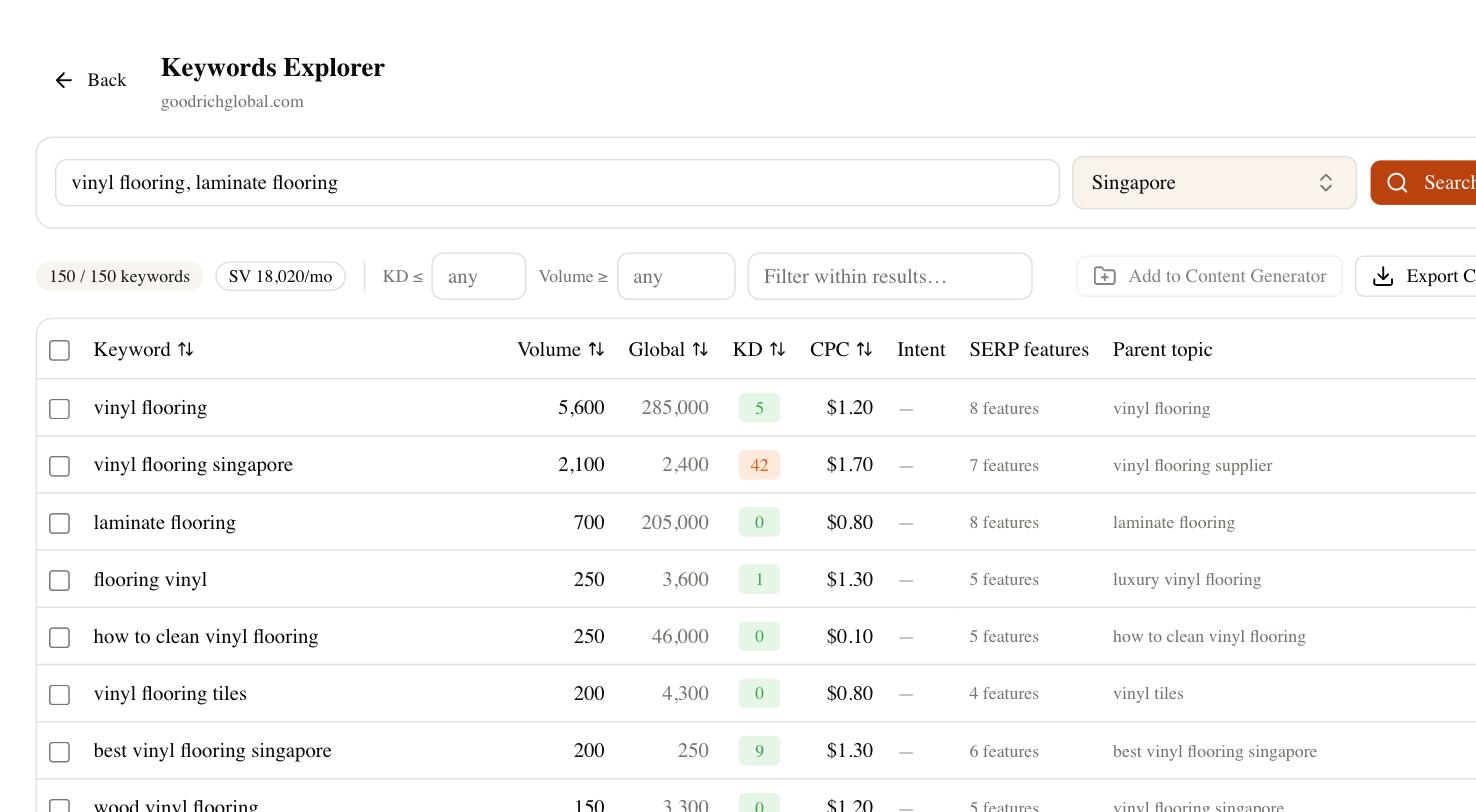
You can run all of this by hand, but the reporting and research gets tedious fast across a dozen towns and six appliance types. SEO Rocket’s Keywords Explorer surfaces the brand, symptom, and cost variations for each appliance so you’re not guessing what people type. Rank tracking shows you position by town, so you know which “refrigerator repair in [city]” pages are climbing and which need work. The competitor gap tool shows what the other repair companies in your area rank for that you don’t, and the site audit flags the speed and mobile issues that quietly bleed calls.
Start narrow. Pick your two strongest service areas and your three most-requested appliances, build real pages for each, tighten your Google Business Profile, and turn on a review request for every completed job. Track those pages for a full month before you judge them — local rankings jitter day to day, and the map pack shuffles. Once that core is ranking and booking work, widen out one town and one appliance at a time. That’s how good SEO for appliance repair compounds: not one heroic push, but a steady stack of specific, local pages that each catch a searcher your competitors missed.