SEO for dermatologists is not the same job as ranking a plumber or an ecommerce store, and treating it like one is why most practice websites stall. Your patients search in two very different moods — someone worried about a changing mole behaves nothing like someone shopping for the cheapest Botox — and Google now treats health topics with extra scrutiny. Get those two facts right and you can book appointments from search without spending a dollar on ads.
Good SEO for dermatologists comes down to three things: showing up in the local map results when someone nearby needs a skin doctor, building procedure pages that answer real questions, and proving to Google that a licensed physician stands behind every word. This guide covers the money keywords, the highest-leverage moves, and the mistakes that quietly cost you patients.
Why dermatology search behaves differently
Two forces shape every keyword decision you make. First, dermatology is a health topic, which puts it squarely inside what Google calls “Your Money or Your Life” content — pages that can affect a person’s health or finances. Google holds these to a higher bar for expertise and trust, so a thin page written by an anonymous copywriter will not rank no matter how many keywords it contains.
Second, your practice usually sells two businesses under one roof: medical dermatology that insurance covers, and cosmetic dermatology that patients pay for out of pocket. Those two buyers search with completely different intent, urgency, and price sensitivity. A rank-tracking view that lumps them together hides which half is actually growing.
Medical intent versus cosmetic intent
Medical searches are urgent and local. Someone typing “dermatologist that takes Aetna near me” or “acne specialist” wants an appointment this week, close to home, covered by their plan. These searches convert fast but they are won almost entirely in the local map pack, not the blue links below it.
Cosmetic searches are considered purchases. “How much does laser hair removal cost” or “Botox vs Dysport” reflects a patient researching for days before booking. These queries reward genuinely helpful content — real pricing ranges, honest recovery timelines, before-and-after expectations — and they are where a good content strategy earns its keep. You are not just ranking; you are answering objections before the consultation. A patient who reads a straight answer about downtime and cost arrives at the appointment already sold, which shortens your consult and lifts your close rate.
The money keywords worth targeting
Not all rankings pay. A page-one spot for “what is a dermatologist” brings traffic and almost no bookings. The keywords that fill a schedule sit lower in volume but carry clear intent. Start with your highest-margin procedures and your covered conditions, then map each to the search that a ready patient actually types.
| Keyword example | Intent | Priority |
|---|---|---|
| dermatologist near me | Local, ready to book | Highest — local pack |
| skin cancer screening [city] | Medical, high-value | High |
| acne treatment [city] | Medical, recurring visits | High |
| laser hair removal cost | Cosmetic, researching | High — content |
| Botox [city] | Cosmetic, price-sensitive | Medium |
| Mohs surgery [city] | Medical, high-value referral | Medium |
| eczema specialist near me | Medical, chronic | Medium |
| how to get rid of a mole | Informational, top-of-funnel | Low — nurture |
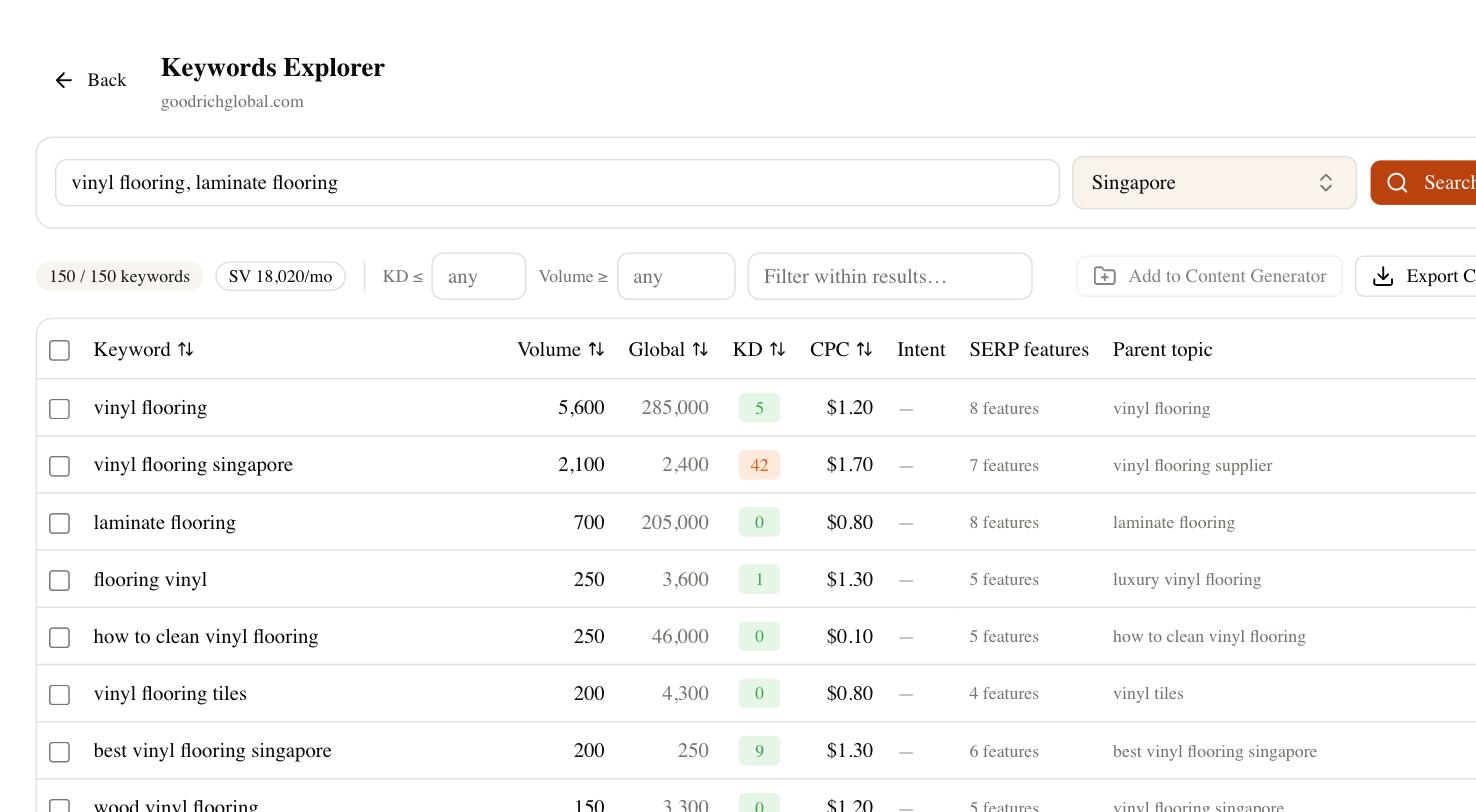
The pattern is simple: local plus procedure equals a booking, and cosmetic-plus-cost equals a researcher you can convert with a good page. Run your seed topics through a keyword tool to see the real volume and difficulty in your city before committing pages to any of them.
Win the local pack before anything else
For a practice with a physical office, the three-result map pack is the single most valuable piece of real estate in search. It sits above the organic links, and for “dermatologist near me” style queries most clicks never make it past it. If you fix nothing else this quarter, fix this.
The work is unglamorous but it moves the needle. Claim and fully complete your Google Business Profile, pick the precise category, and keep your name, address, and phone number identical everywhere they appear online. Add real photos of the office and staff. Then make reviews a routine — ask every satisfied patient, and reply to each one, because review volume and freshness are among the strongest local signals you can influence directly. A practice with a couple hundred recent reviews will usually outrank one with a dozen, all else equal. Proximity to the searcher still matters, but reviews and a complete profile are the levers you actually control.
Build procedure pages that answer real questions
One catch-all “Services” page cannot rank for a dozen procedures. Give every meaningful service its own page — Mohs surgery, acne treatment, laser hair removal, eczema, psoriasis, skin cancer screening — and write each one to answer what a patient genuinely asks. What does it cost? Does it hurt? What is recovery like? Is it covered by insurance?
Location matters too. If you serve several suburbs, a dedicated page for each real office location beats trying to force one page to rank in five towns. Keep those pages distinct and useful, not spun copies with the town name swapped — Google spots that pattern instantly, and so do patients. A competitor-gap check will show you which procedure pages nearby practices rank for that you have not built yet.
Prove expertise, because Google is watching
This is where dermatology SEO rewards doing things properly. Because skin content is health content, Google leans hard on signals of real expertise and trust. Put the treating physician’s name, credentials, and photo on every clinical page. Link to a detailed provider bio listing board certification, training, and years in practice. Cite medical sources where you make a claim, and have a licensed provider review the copy.
None of this is a trick to game an algorithm. It is the same thing that reassures a nervous patient — proof that a qualified human stands behind the advice. Anonymous, AI-spun medical text is exactly what Google’s health updates are built to demote, and it is the fastest way to sink an otherwise solid site.
Common mistakes and a priority checklist
Most dermatology practices lose ground the same handful of ways. They pour effort into cosmetic keywords while ignoring the covered conditions that actually book, neglect the Google Business Profile that drives the map pack, hide behind stock photos and unnamed “our team” pages, and let a marketing agency publish generic medical content no doctor ever read. Any one of these caps your growth.
Work the list in order — earlier items compound the later ones:
- Claim and fully complete your Google Business Profile, with the correct primary category.
- Make review requests a standing part of checkout, and reply to every review.
- Give each core procedure and each office location its own dedicated page.
- Add provider names, credentials, and photos to every clinical page.
- Separate medical and cosmetic keywords so you can track which side is growing.
- Publish honest cost and recovery content for your high-margin cosmetic services.
- Audit the site for slow pages and broken links twice a year.
You do not need a dozen tools to run this. SEO Rocket handles the parts that matter here in one place: keyword research to find the local and cosmetic terms your patients type, competitor-gap analysis to see which procedure pages rivals rank for, rank tracking split by intent, and a site audit to catch the technical issues that quietly hold you back. Start with the local pack, get your procedure pages right, and let the credentials do the convincing — that is the whole game.