
SEO for personal trainers is not the same game as ranking a national blog or an e-commerce store. Almost everyone searching for a trainer wants someone they can actually meet, which means SEO for personal trainers is overwhelmingly a local problem — win the few miles around your gym or your clients’ homes and you win the client. The good news is that most trainers compete against other trainers who ignore SEO entirely, so the bar to page one is lower than you think.
This guide covers what makes ranking different for this niche, the keywords that actually turn into paying clients, and the handful of moves that move the needle fastest. No fluff, no “post more content” filler. A trainer with fifteen clients and no marketing budget can execute every step here, and most of the work is front-loaded — set it up once, then maintain it in an hour a week.
Your buyers search locally and by outcome
Two search patterns dominate this niche. The first is geographic: “personal trainer near me,” “personal trainer chicago,” “female personal trainer austin.” These carry buying intent — the person is comparing options right now and often books within days. The second is outcome-based: “weight loss personal trainer,” “prenatal personal trainer,” “personal trainer for seniors,” “strength coach for runners.” These searchers care less about proximity and more about whether you handle their specific goal.
Your job is to answer both. A trainer who only optimizes for “personal trainer + city” ignores the higher-converting long tail, where a prospect who types “postnatal personal trainer” is already halfway to booking because they need exactly what you offer. Specialization is a ranking advantage here, not a limitation. Narrower terms have less competition and stronger intent, so the trainer who owns “kettlebell coach for beginners” in their city often books more sessions than the generalist fighting for the crowded head term. Pick the two or three outcomes you genuinely deliver and build real depth around each.
The keywords that actually pay
Volume is a trap in this niche. A term with a few hundred monthly searches in your city will out-earn a national keyword with ten thousand searches you can never rank for. Sort by intent and reachability first, volume second.
| Keyword example | Intent | Why it converts |
|---|---|---|
| personal trainer near me | Local, high intent | Ready to book; triggers the map pack |
| personal trainer [your city] | Local, high intent | Comparison stage, strong commercial value |
| weight loss personal trainer [city] | Local + outcome | Pre-qualified goal, less price shopping |
| online personal trainer for [goal] | National, mid intent | Removes geography, widens your market |
| how much does a personal trainer cost | Research | Top of funnel; capture with a pricing page |
| at home personal trainer [city] | Local + format | Specific service many gyms don’t offer |
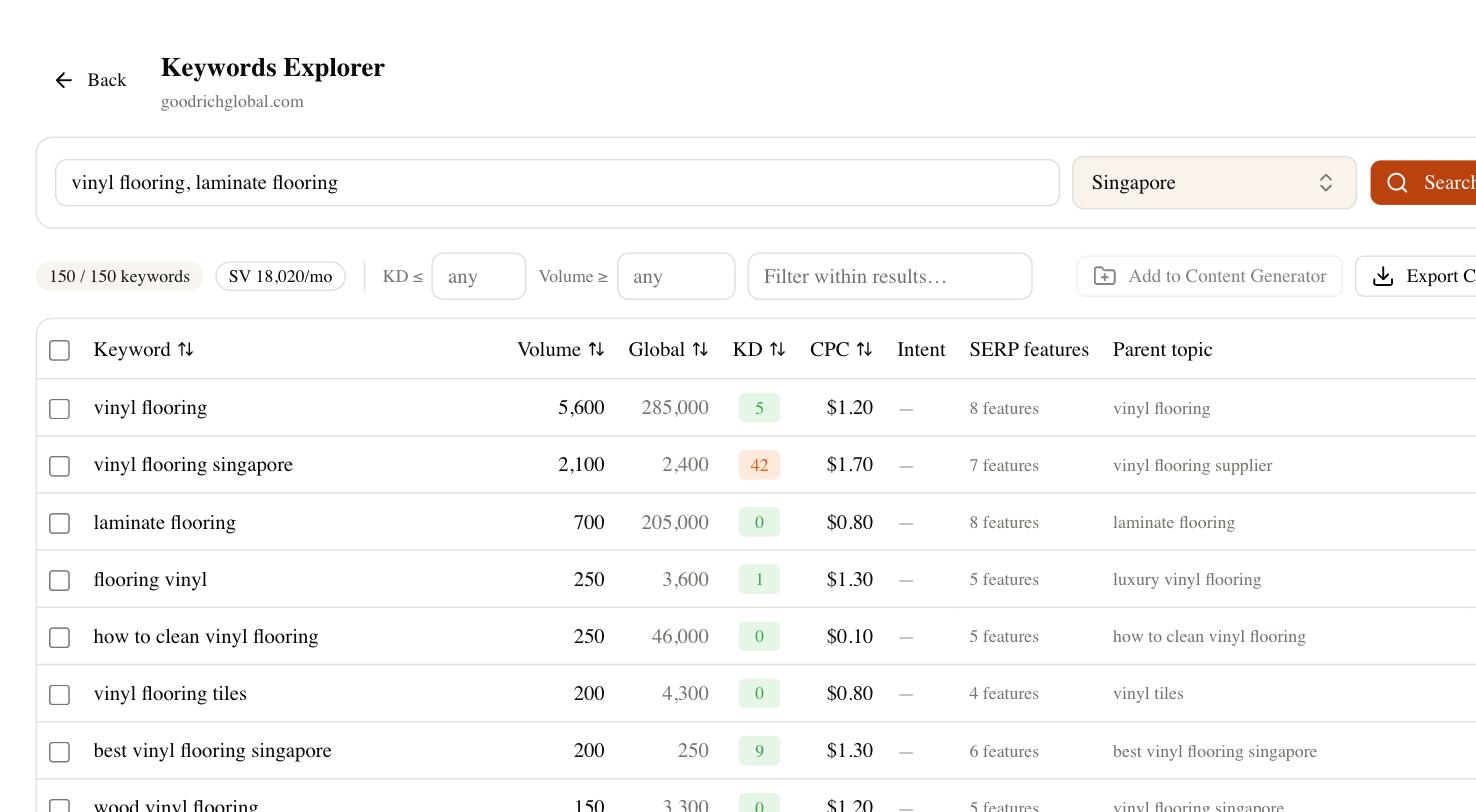
Run your seed terms — “personal trainer,” “strength coach,” “weight loss trainer” — through a keyword tool to pull the real long tail and the local modifiers people use in your area. You will usually find five or six outcome keywords worth a dedicated page each.
Google Business Profile is your homepage
For “near me” and “personal trainer + city” searches, Google shows a map pack of three listings above the regular results. Those three slots come from Google Business Profile, not your website, and for most trainers the map pack drives more calls than the whole site does. If you optimize one thing this month, optimize this.
Fill every field: correct category (Personal Trainer, plus secondary categories like Physical Fitness Program), service area, hours, and a description that names your specialties. Add real photos of you coaching, not stock images. Post updates weekly — a client transformation, a new class, a seasonal offer. Profiles that stay active outrank ones that were filled in once and abandoned. Answer the questions people leave, keep your hours accurate, and make sure the profile links to the right service page on your site. These details are unglamorous, but they are what separates the trainer in the top three from the one buried on page two.
Reviews decide who ranks in the map pack
Reviews are the single biggest local ranking factor you control, and they double as social proof that closes the sale. Quantity, recency, and keywords all matter — a review that says “best weight loss trainer in Denver” quietly reinforces exactly the term you want to rank for.
Build a simple routine: ask every client who hits a milestone, send them the direct review link by text, and reply to every review you get. Ten genuine reviews with photos and specifics will outperform a competitor sitting on three from two years ago. Never buy reviews — Google filters them and can suspend your profile.
Build pages that match how people search
A one-page site that says “Personal Trainer — Contact Me” cannot rank for more than your own name. You need a page for each thing you want to be found for. Give every core service its own page: a weight-loss page, a strength page, a prenatal or senior fitness page if those are your niche, and a location page if you serve more than one area.
Each page should read like a real answer, not a keyword dump: who it’s for, what a program looks like, pricing signals, and a clear booking step. Include the questions clients actually ask — “how many sessions until I see results,” “do you train at home,” “what does it cost” — because those match voice and long-tail searches and can win featured snippets. A results or transformation page, with honest before-and-after context and client permission, tends to convert browsers into bookings better than any other page on the site.
The mistakes that keep trainers invisible
Most trainers lose on the basics, not the advanced tactics. Watch for these:
- Instagram instead of a website. Social builds trust, but you don’t own it and it barely ranks in Google. You need a site you control.
- No city on the page. If your service area never appears in your text, title tags, or profile, Google can’t tie you to local searches.
- One page for everything. Cramming every service onto the homepage dilutes every keyword. Split them.
- Ignoring reviews. No system to ask means a trickle of reviews and a stalled map ranking.
- A slow, mobile-broken site. Nearly all these searches happen on a phone. If your booking form is painful on mobile, you lose the client after ranking.
Fix those five and you are ahead of most competitors in your area before you touch anything technical.
How SEO Rocket fits your workflow
SEO Rocket is built for exactly this kind of hands-on, local campaign. You ask in plain language — “find weight-loss trainer keywords for Seattle” — and it pulls real keyword data with volume and difficulty, so you can see which terms are actually reachable before you write a word. It drafts the service and location pages for you, tracks where you sit in local rankings over time, and runs a site audit that flags the slow-loading, mobile-broken issues that quietly cost you clients.
It also shows something no map tool does: whether AI assistants like ChatGPT recommend a trainer in your city when someone asks. That search is small today but growing, and being the name that gets cited is worth having early. For a solo trainer or a small studio, having keyword research, content, rank tracking, and audits in one place means you spend your time coaching, not juggling five tools. Start with your Business Profile and reviews this week, then let the tool handle the pages and tracking that scale it.