
SEO for therapists is not the same game as SEO for a software company or an online store. Almost everyone searching for a therapist wants someone they can actually see, which makes this a local-intent problem first and a content problem second. Get that order wrong and you can publish a hundred blog posts while a smaller practice two neighborhoods over quietly takes every new client.
The good news is that the field is winnable. Most therapists treat their website as an online business card and never touch the three or four moves that actually decide who ranks. This guide walks through what makes SEO for therapists specific, the keywords that turn into booked intake calls, and where a tool like SEO Rocket saves you the busywork.
Why therapist SEO is a local game
When someone types “anxiety therapist near me” or “couples counseling Denver,” they are not browsing. They have decided to get help and they want a shortlist of local, licensed people they can book this week. That intent is gold, and it changes your whole strategy. You are not trying to rank nationally for “what is CBT.” You are trying to own a handful of city-plus-specialty searches in the ten or twenty miles around your office.
This also means your competition is smaller than it looks. You are not fighting Psychology Today and Healthline for the whole country. You are fighting the other practices in your city, plus the directory listings, for a specific set of local queries. That is a fight a solo clinician can win with focused effort, which is rarely true in broader industries.
Online therapy is the one exception, and it is worth understanding. If you are licensed to see clients across a whole state by telehealth, some of your searches become statewide rather than neighborhood-level, and the competition widens accordingly. Most therapists do both: local in-person work that lives or dies on map-pack visibility, and a smaller online offering that competes on specialty. Know which mode a given page is for before you write a word of it.
The keywords your clients actually type
Therapy searches split cleanly into three buckets, and only one of them pays the bills. Symptom-and-specialty searches (“EMDR therapist,” “therapist for teens,” “grief counseling”) signal someone ready to book. Location modifiers (“therapist in Austin,” “Portland trauma therapist”) make that intent local and specific. Then there are informational searches (“signs of burnout,” “how does therapy work”) that bring traffic but rarely a client this month.
Prioritize the first two. A page targeting “postpartum depression therapist Seattle” will convert far better than a general post about mental health, even though the general post gets more clicks. The mistake is chasing volume. In therapy, a keyword with modest monthly searches and clear intent beats a high-volume term that attracts students, journalists, and people three years away from booking.
Money keywords, mapped by intent
Here is how the main keyword types stack up for a private practice. Use it to decide what gets a dedicated page and what becomes a supporting blog post.
| Example keyword | Intent | Priority |
|---|---|---|
| anxiety therapist [city] | Ready to book, local | Highest |
| couples counseling near me | Ready to book, local | Highest |
| EMDR therapist [city] | Specialty, ready to book | High |
| therapist that takes [insurance] | Ready to book, filtering | High |
| online therapy [state] | Ready to book, less local | Medium |
| does therapy help with anxiety | Researching, early | Low (blog) |
Notice the insurance line. “Therapist that takes Aetna” or “sliding scale therapist [city]” are some of the most underrated searches in the field, because they carry both intent and a filter most competitors ignore. If you take a common insurance or offer sliding-scale rates, say so in plain text on the page, not just on an intake form.
Your Google Business Profile is the biggest lever
For most local searches, Google shows a map pack of three listings above the regular results. Landing in that pack often matters more than your website’s ranking, and it is driven largely by your Google Business Profile. Claim it, choose the right primary category (Psychotherapist, Mental Health Service, or Marriage Counselor as fits), and keep your name, address, and phone number identical everywhere they appear online.
Reviews are the part therapists resist, and understandably so given confidentiality. You cannot solicit reviews the way a plumber does. But you can make it easy for clients who volunteer that they want to leave one, and you can respond to every review carefully and without confirming anyone is a client. A steady trickle of genuine reviews, plus accurate hours and a real photo of your office, moves the map pack more than another blog post ever will.
Build a page for every specialty you treat
The single most common structural mistake is cramming every service onto one “Services” page. Google cannot rank a paragraph. It ranks pages. If you do EMDR, couples work, and teen therapy, that is three separate pages, each targeting its own keyword, each with its own detailed, human-written explanation of who it helps and what a session looks like.
Do the same for locations if you serve more than one area, but only if the content is genuinely distinct. Ten near-identical “therapist in [suburb]” pages with the city name swapped are thin content, and Google treats them as such. One strong page per real specialty, written the way you would explain it to a nervous first caller, outperforms a stack of templated filler every time.
The mistakes that keep therapists invisible
A few patterns quietly sink otherwise good practices. Watch for these:
- No location on the page. If your city and neighborhood never appear in your text, you are invisible to local search. Say where you are.
- Clinical jargon over client language. People search “help for panic attacks,” not “panic disorder treatment modality.” Write the way clients speak.
- A slow, image-heavy site. Many therapist sites are built on bloated templates that load slowly on a phone, where most of these searches happen.
- Ignoring the directories. Psychology Today and similar listings rank well and send real referrals. Keep yours complete; do not treat them as competitors to avoid.
- Publishing and forgetting. A page you wrote two years ago and never touched slowly loses ground. Refresh your core service pages.
None of these require an agency to fix. They require noticing them, which is the hard part when you are also seeing clients all week. Set aside one afternoon a quarter to open your own site on your phone, read it as a scared first-time caller would, and fix the three things that make you hesitate. That habit alone puts you ahead of most practices in your area.
A simple plan, and where SEO Rocket fits
Start narrow. Pick your top two specialties and your city, and build one strong page for each. Claim and complete your Google Business Profile. Make sure your name, address, and phone match everywhere. Then, and only then, add supporting blog posts that answer the questions your clients ask before they book.
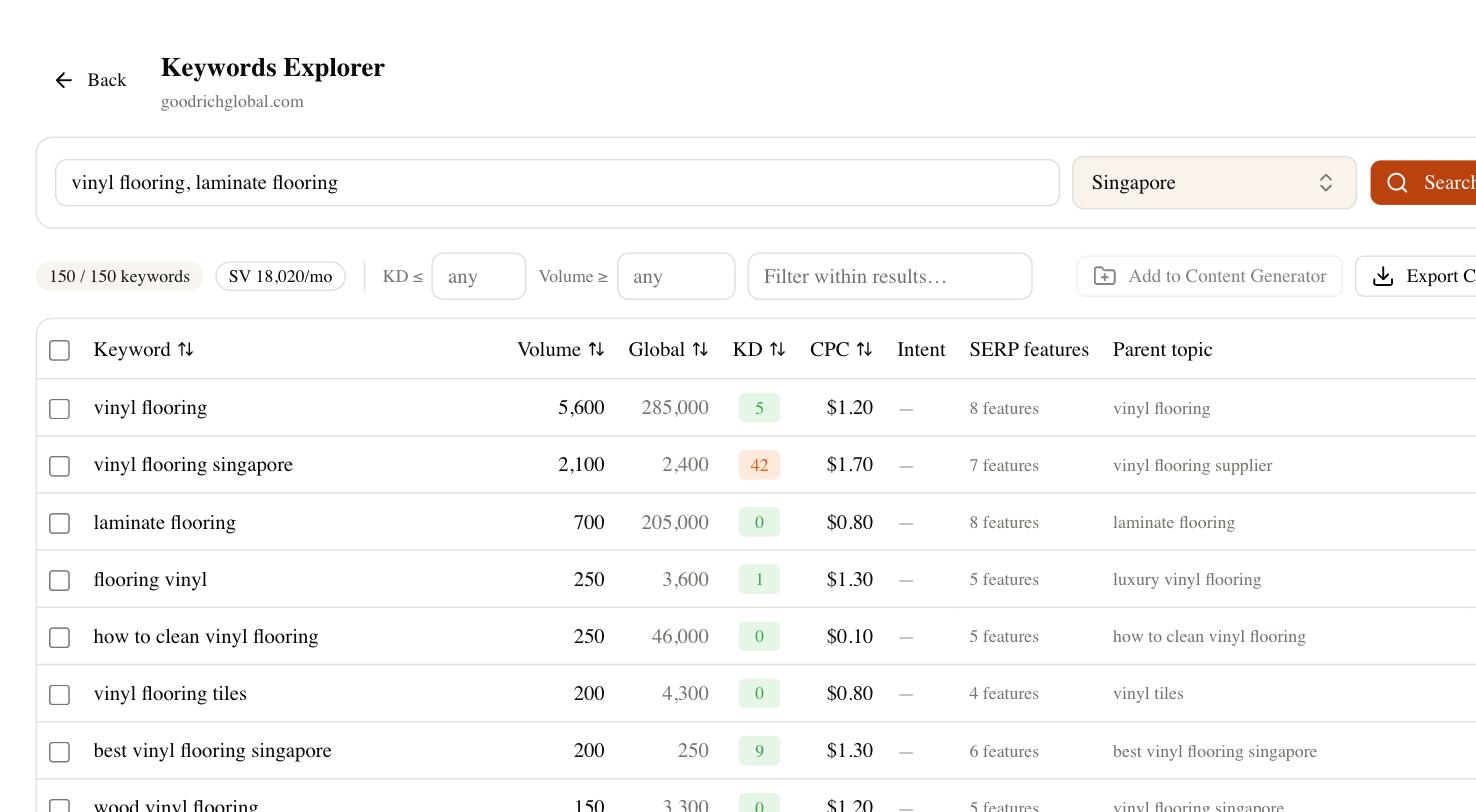
This is where SEO Rocket earns its place. Instead of guessing at keywords, you ask it in plain language for the searches your ideal clients use, and it returns real volume and difficulty numbers so you know which terms are worth a page and which are a waste of an afternoon. It drafts the specialty pages with your input, tracks where you rank in your city over time, and flags the gaps a competing practice is filling that you are not. For a solo therapist or a small group, that turns SEO from a vague chore into a short, ordered list you can actually finish. The clients are searching. The job is simply to be the practice they find.